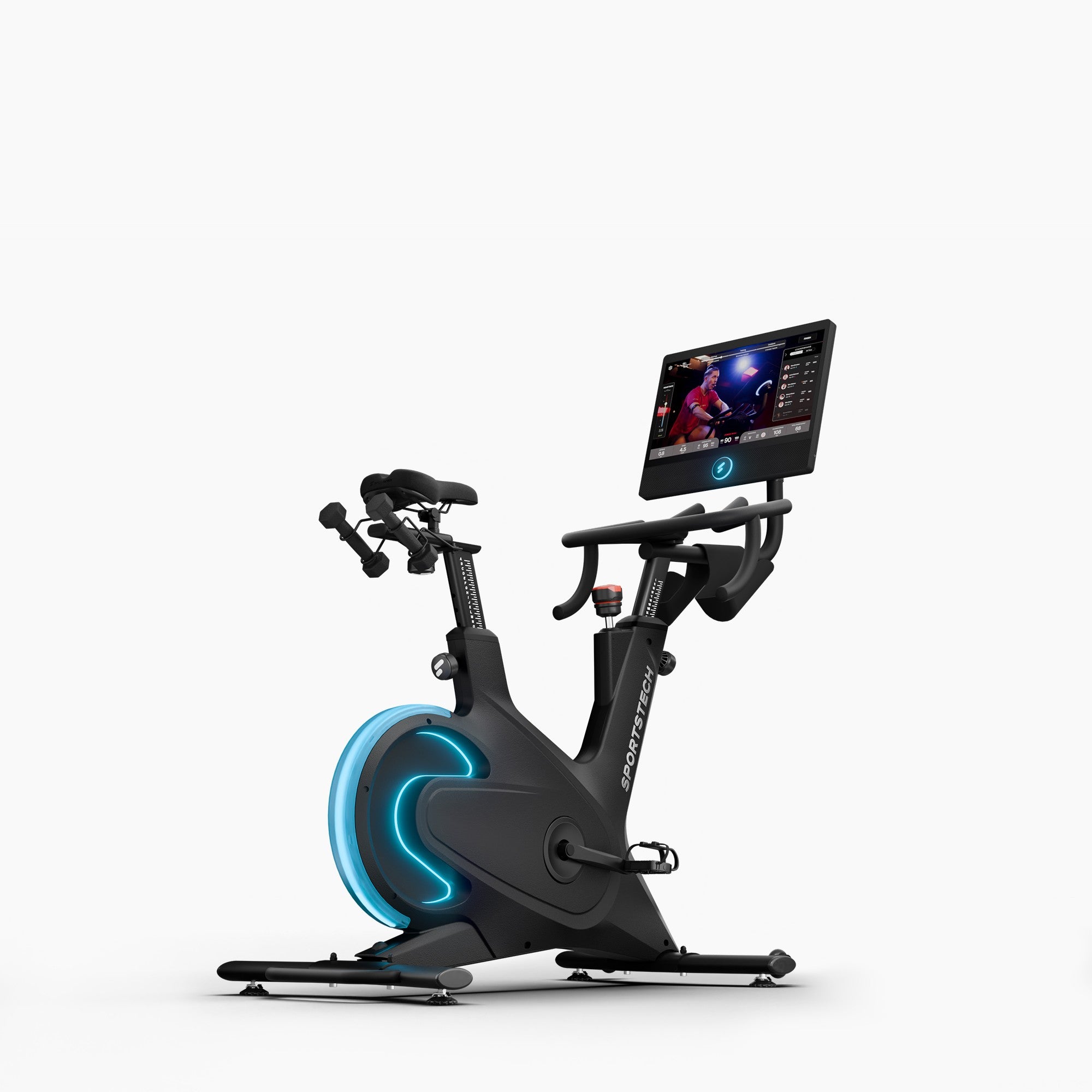
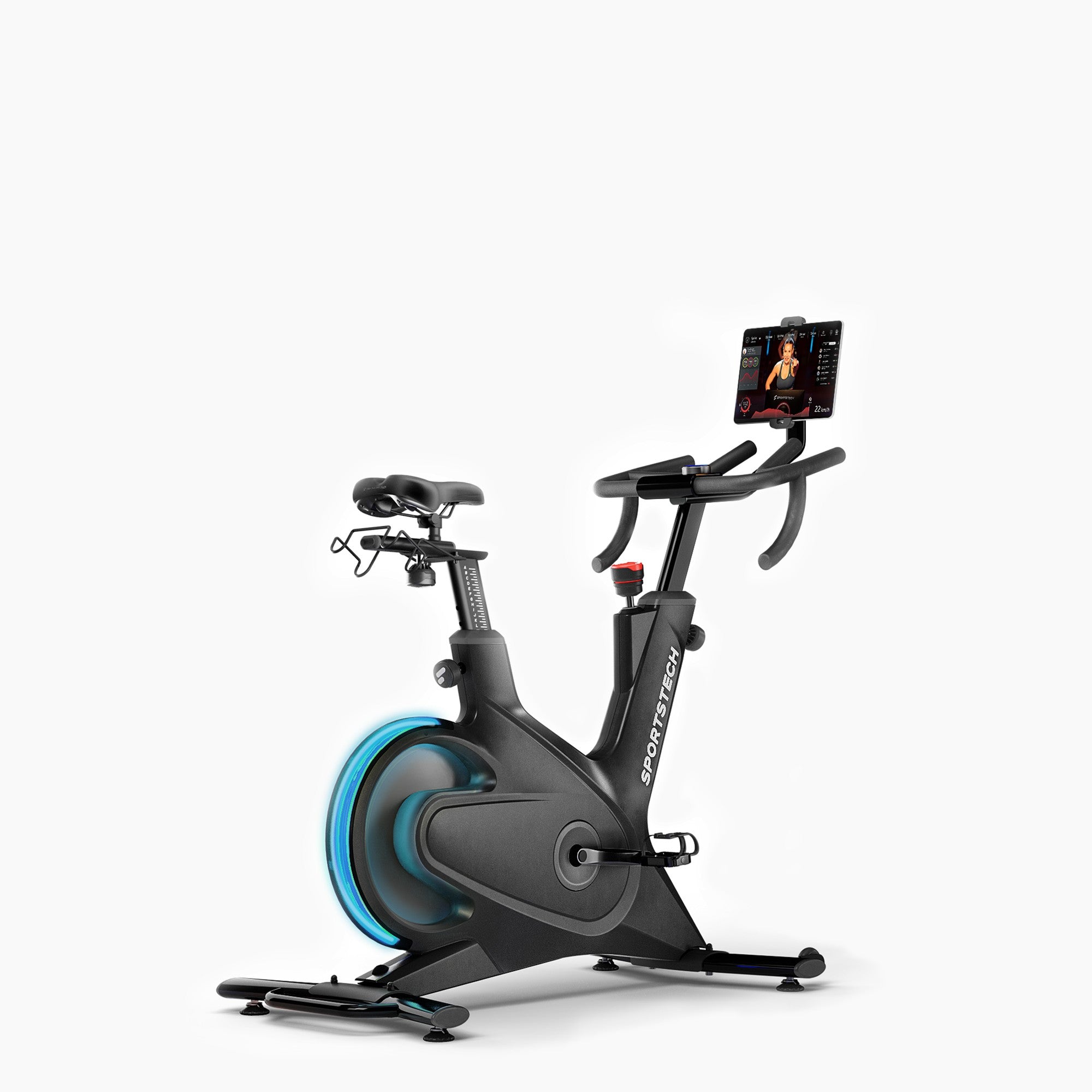
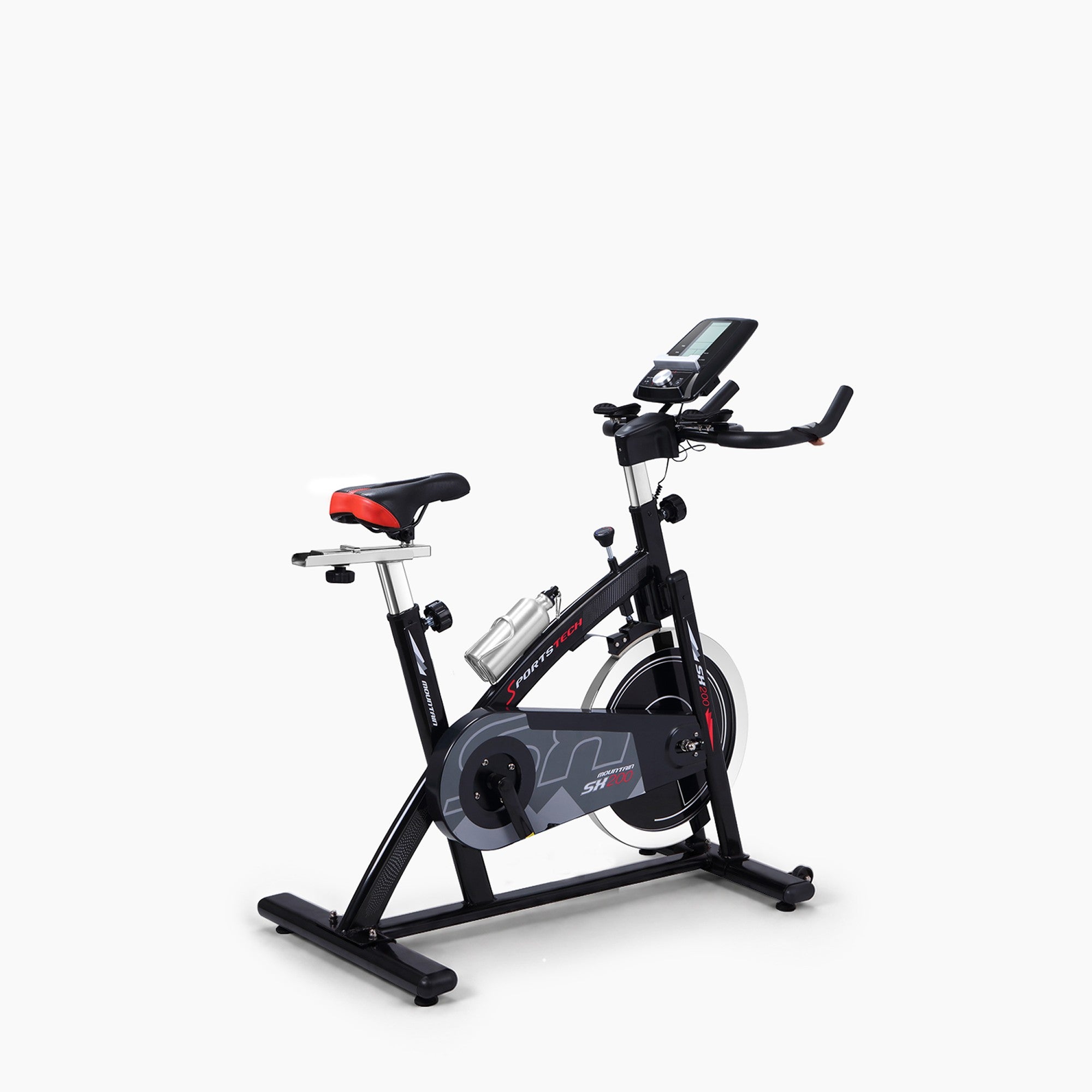
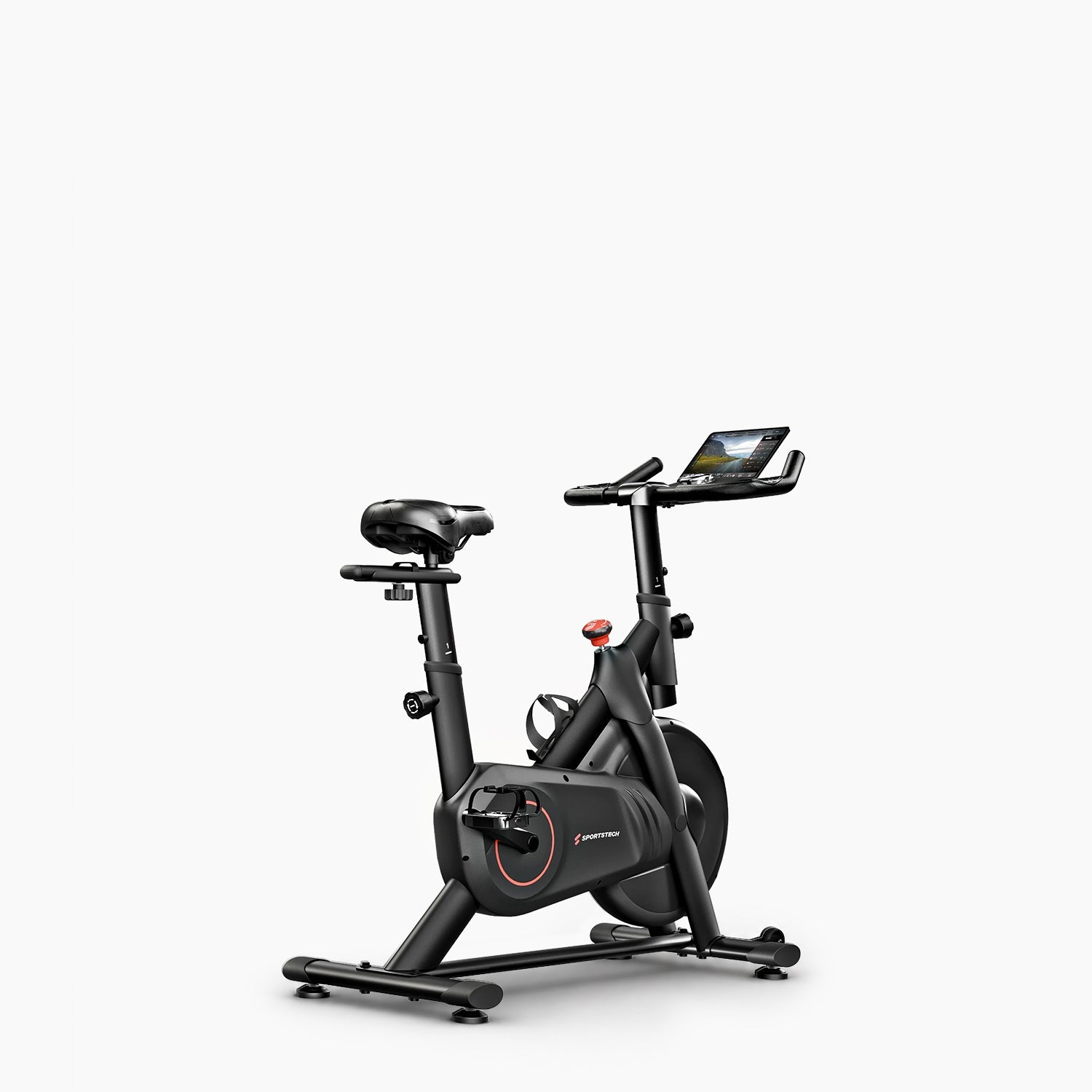
Despite all their adjustment options, they are designed for athletic riding. This also applies to the saddle, which is considerably narrower than on a classic exercise bike. Indoor cycles are ideal for recreational athletes with ambitions who train regularly, as well as for cyclists.
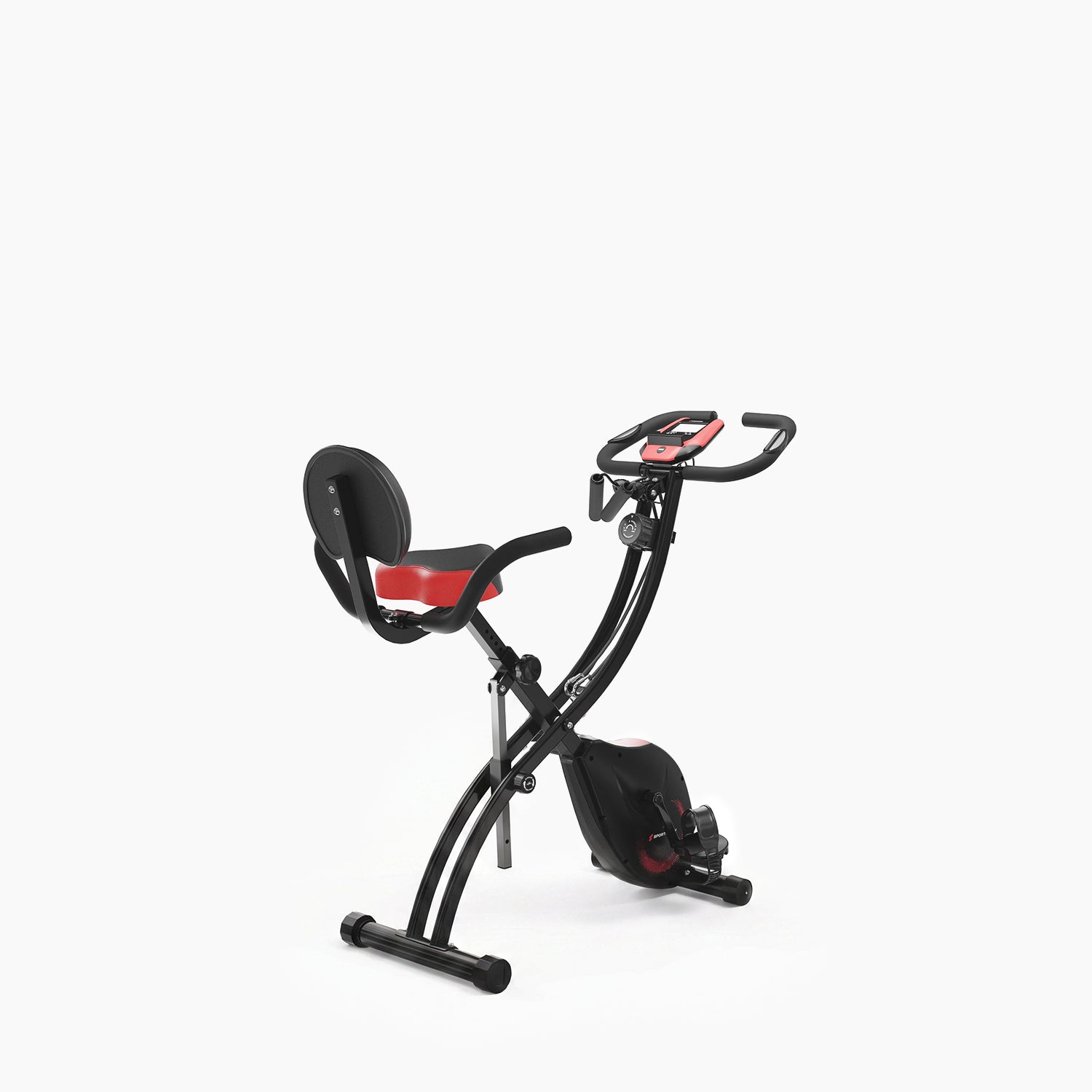
Those who train only occasionally, place particular importance on comfort and a relaxed ride, or are significantly overweight are better off with a high-quality exercise bike. Once you’ve decided to buy, look out for the following points when choosing your bike:
1. Drive system: Fitness bikes generally use one of two different drive systems. More affordable entry-level models usually have a classic chain drive, like the one found on most road bikes. The downside: Because they have many moving parts, chain drives are louder during use and need to be cleaned and lubricated regularly.
Higher-quality indoor cycle bikes, on the other hand, have a belt drive. These belts are usually made of highly durable plastics or even Kevlar, which is also used in bulletproof vests. Since only the drive belt moves, your workout is particularly quiet. Regular lubrication and other maintenance are also unnecessary.
2. Braking system: On most models, a felt pad brake provides the resistance you pedal against. Felt pads press against the flywheel from the side or above. You can easily adjust the resistance using a mechanism on the indoor bike. Other models in the higher price range, on the other hand, have a magnetic braking system.
Note: Unlike exercise bikes and most road bikes, however, speed bikes do not have a freewheel. When you stop pedaling, the flywheel and pedals keep turning. That’s why good bikes have an emergency brake.
3. Flywheel weight: The weight of the flywheel is crucial to the resistance when training on a speed bike. Indoor bikes should have a flywheel weighing at least 18 kilograms to provide a challenging workout with enough headroom for progress. As a rule of thumb, the fitter you are or the higher your ambitions, the heavier the flywheel can be. Another advantage: Bikes with heavier flywheels generally run more smoothly and quietly.
4. Customization options: Ergonomic training with optimal performance is only possible when the speed bike is adjusted to fit you perfectly. So if you want to buy a speed bike, look for a wide range of adjustment options. Ideally, you should be able to adjust not only the saddle height, but also its angle and position. This lets you position the balls of your feet optimally in the center of the pedal axle for the best possible power transfer.
The handlebar unit should also offer height and angle adjustments. Another advantage: different handlebar positions. These add variety to longer training sessions and relieve the muscles in your core, shoulders, and back.
Tip: The saddle can often be replaced with a standard bike saddle. This lets you fit the saddle that best suits your sit bones.
5. Pedal system: Since speed bikes do not have a freewheel, it is important to secure your feet firmly to the pedals. On a speed bike, pedals with fitted straps or toe cages do this. Securing your feet also ensures a smoother pedal stroke and engages your hamstrings in the pedaling motion. Particularly high-quality models already come with hybrid pedals.
These have both a flat side (flat pedal) and a Shimano SPD or Shimano SPD-SL clipless system. This means you can use your usual cycling shoes on the speed bike, too. Since high-quality bikes often use standard crank thread sizes, you can often also fit conventional road bike pedals with the clip system of your choice.
6. Electronic systems: These days, very few devices do without electronics. Options range from a simple training computer and hand pulse sensors to a powerful training control system with heart rate monitor support and an integrated console for playing audio and video content.
Interactive training computers have Bluetooth connectivity and can be used with high-quality fitness apps such as iBiking+, among others. Thanks to the training software, you can ride routes you have created yourself using Google Street View during your workout, among other things.