



The turn of the year is the starting gun for many to lead a more active life. More sports, more exercise, more focus on your own health – the list of New Year's resolutions is long. The motivation is there, the first workouts are going well, everything feels doable. But then everyday life takes over. Appointments, to-dos, little time and motivation. Not because you give up, but because motivation alone is not enough to stay active in sports in the long term. The vast majority of resolutions fail after just a few weeks.
But why is that? And what do we really need to stick with it in the long term?
New Year's resolutions and sports: What studies show
According to a Forbes Health survey, most people give up their New Year's resolutions within just a few months: Only about 8 % of resolutions last for one month – after that, the success rate drops even further, especially with the topic of sports, the dropout rate is high. The most common reason is not a lack of knowledge or time, but a wrong understanding of motivation and discipline.
That is exactly the good news. Because those who understand how motivation really works can break this cycle and for that you don't need iron discipline, but the right mindset.

The most common mistake: We overestimate our motivation
Motivation feels strong at the beginning. It is emotional, euphoric and often associated with the feeling of "doing everything right now". That is exactly where the problem lies: motivation is not a stable state, but a short-term impulse.
Motivation is not a permanent engine
Motivation fluctuates. It depends on mood, energy level, stress and external circumstances. Those who wait for themselves to feel motivated every day will inevitably be disappointed, which ultimately has the opposite effect, of sticking with it. Sports routines fail not because people are "undisciplined", but because they rely too much on motivation.
The "Fresh-Start Effect"
Psychologically, this phenomenon can be well explained: At the beginning of the year, the so-called Fresh-Start Effect takes hold. New time points like January 1 give us the feeling of a new beginning. We feel capable and optimistic. After a few days or weeks, this effect normalizes and the initial euphoria disappears.
How discipline really works (different from what most people think)
Discipline is often seen as a character trait: Some people are disciplined, others are not. But that is a clear myth.
Discipline is not a question of character
Discipline is not created by willpower, but by structures. People who seem "disciplined" usually have fixed processes, clear routines and as few decisions as possible in everyday life.
Why our brain loves repetition
Our brain prefers familiar patterns. Repetitions save energy and provide security. That is why it is hard for us to establish new behaviors – but easy to maintain old habits, even if they are not good for us.
What really prevents us from sticking with it
- expectations that are too high
- goals that are too big at once
- negative experiences from the past
- lack of fixed time slots
All of these are not personal weaknesses, but completely normal cognitive hurdles and can be overcome with simple habits.
How good intentions become real sports habits
Long-term sports success is not based on discipline or motivation, but on habits, that we incorporate into our daily routines and adapt to us or our needs. Many people fail not because of their willpower, but because of the way they start. Those who want to integrate sports into their everyday life in the long term do not need radical training plans, but realistic structures. This is exactly where habits come in and now come 3 tips, that will make the path to a healthier you easier for you.
3 tips to build sports habits
1. Start small instead of wanting too much
The most important step in building a sports habit is to consciously start smaller, than you originally intended. Ten minutes of exercise seems like little at first glance, but it is crucial. It lowers the mental hurdle of starting at all. Our brain evaluates small tasks as doable and harmless. Exactly that increases the likelihood that we will repeat them.
An overly ambitious training plan, on the other hand, creates pressure. And pressure often leads to us giving up completely.
2. Link sports to fixed times
Habits are easier to form when they are linked to existing routines. Those who always schedule sports at the same time, for example directly after work or in the morning after waking up, have to make fewer decisions during the day. The brain learns: "At this time I exercise." The less we have to think about it, the more stable the routine will be.
3. Consciously reduce entry barriers
The easier the start, the higher the chance of sticking with it. Long distances, complicated preparation or fixed appointments often seem daunting – especially on stressful days. That is why it helps to make training as low-threshold as possible. If the first step is easy, the second one will be too. Consciously think about what could prevent you from training and how you can counteract it.
Extra tip: Set realistic goals – without overtaxing yourself
Closely connected to the development of habits is the question of the right goals. Perfection is not a good measure, and what matters is your consistency. Instead of daily goals, weekly or monthly goals are much more sustainable. They give you room for breaks, unforeseen appointments, and fluctuating energy levels. This takes the pressure off and prevents frustration.
The principle of "good enough instead of perfect" also plays a central role. A short workout or a walk is always better than no exercise at all. Every repetition strengthens the habit – regardless of intensity or duration.
Examples of realistic fitness goals for beginners
- Two to three workouts of 20–30 minutes per week
- Integrate more movement into everyday life, such as stairs instead of the elevator or a bike instead of a car
- Prioritize regularity over intensity
Those who start this way not only build fitness, but above all confidence in their own ability to stick with it.

No pressure, no detours: Why home training is perfect for getting started
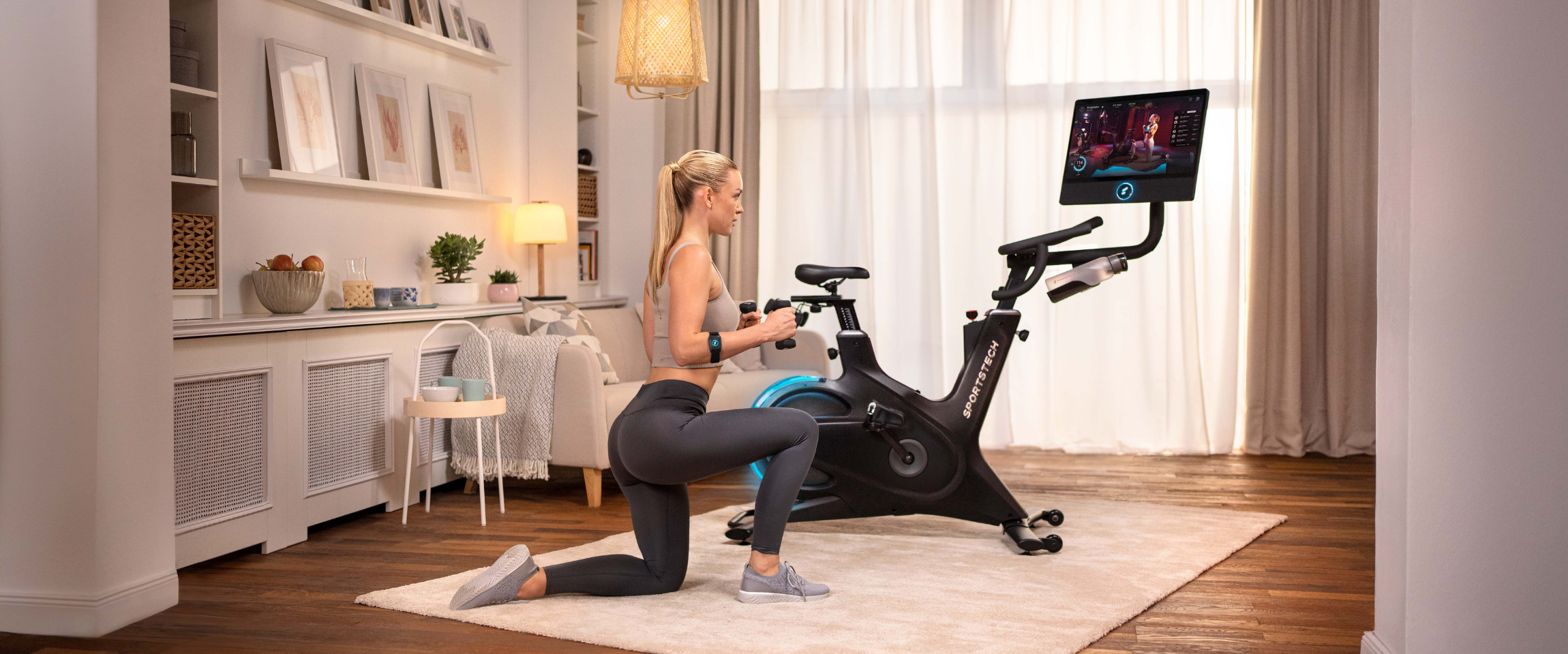
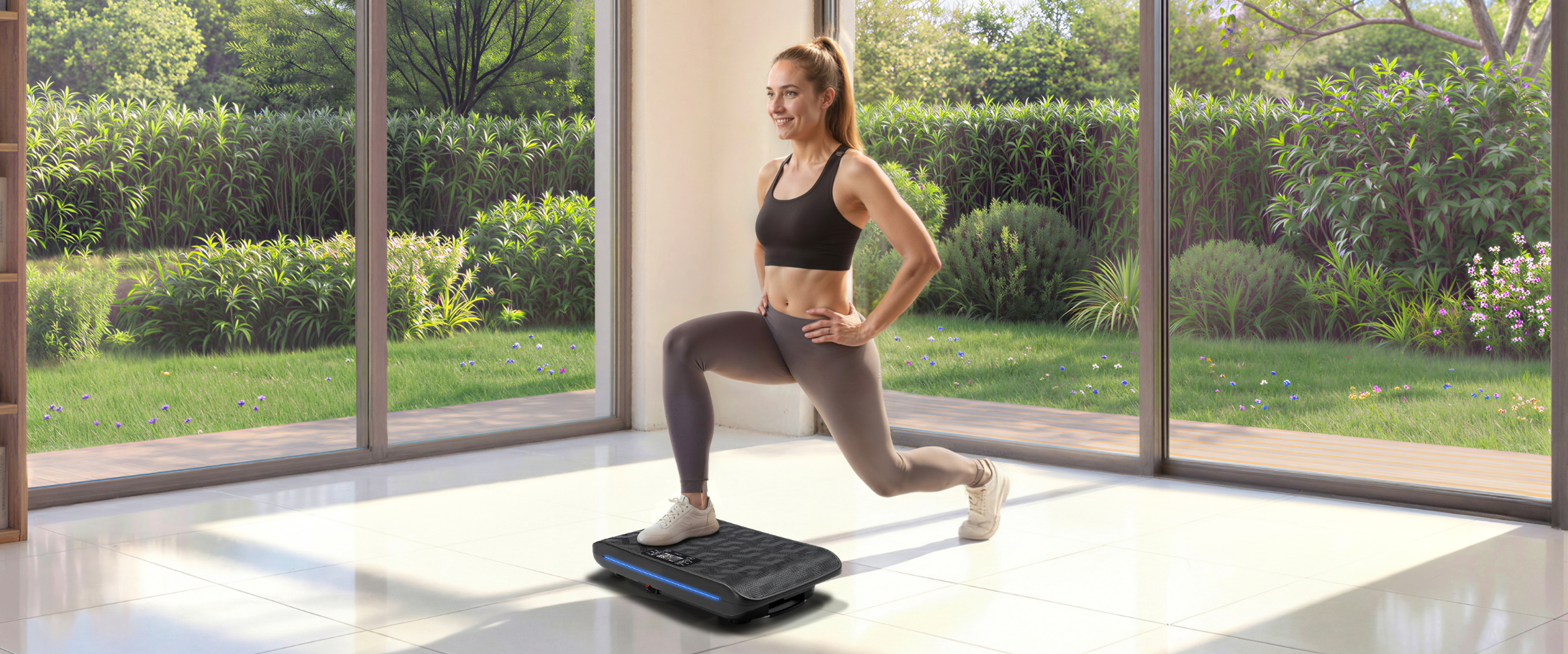
Especially for beginners, training at home can be a crucial factor in building strong routines. No travel time, no fixed course times, and no performance pressure – home training significantly lowers the entry barrier and makes it easier to integrate exercise sustainably into everyday life. Whether short sessions in between or a fixed training slot in the evening: At home, sports can be flexibly adapted to your own life.
A particularly easy start is achieved through gentle movement in everyday life.Walking Pads are ideal for this. They allow for easy steps in between, for example in the morning after waking up or in the evening while watching series. Exercise does not feel like training this way, but like a natural part of the day. Exactly that helps to build a habit without overtaxing yourself.
Classic strength training can also be started at home without complications. A compact dumbbell set is already enough to perform initial strength exercises and slowly strengthen the body. The advantage: You determine the pace, duration, and intensity yourself. Short sessions of ten to twenty minutes are completely sufficient to stay active regularly and feel progress.
A training app can help with this, offering not only variety, but also structure. Through our Sportstech Live App you can track your progress, choose from a variety of workouts and adapt your training individually to your fitness level and goals. This creates a solid routine step by step without overtaxing yourself and with clear guidance.
Home training does not mean achieving less. It means starting more easily. And that is often the most important step.
The key to long-term success lies in your habits
The real key to long-term sports success lies not in more motivation, but in stable habits. The thought "I just need more discipline" falls short. Those who manage to firmly incorporate exercise into everyday life need neither daily motivation nor superhuman willpower.
Don't start perfectly – but stick with it. That is exactly what makes the difference.








Teilen:
Healthy work-life balance thanks to a walking pad – how to stay active in everyday life
Quitters Day, goodbye: Get fit for 2026 with realistic goals