


January is a month that feels like a promise. New sneakers, new playlists, new plans. Everything seems possible, and somewhere in the back of your mind is that quiet voice saying: This year, I'm going to do it differently.
A few days later, everyday life looks just like it always does. Not worse, not better – just real. And this is exactly where motivation is separated not from laziness, but good intentions from good systems. Because fitness rarely fails due to a lack of willpower. It fails because we try to change our entire lives all at once.
According to the FOM Christmas Study 2025 "exercising more" is one of the most important resolutions of all and ranks second among the most frequently mentioned goals. So the desire for more exercise is there – and for many, it is very much present. This makes the question even more important: how can this desire become something that can also be implemented in real everyday life.
That is why Quitters Day is not a moment of giving up, but an honest reality check. And this is exactly where we start.
What is Quitters Day – and why it is completely normal
Quitters Day takes place on the second Friday of every January and refers to the time when many people give up on their New Year's resolutions again. Not because they no longer feel like it or they don't care, but because the initial motivation subsides.
This is completely natural, because motivation is not a permanent state. It carries you through the start, but not through every week. As soon as everyday life takes over again, it becomes clear: Good intentions alone are not enough. You can learn more about this in our article – New Year. New Motivation: Why Habits Are More Important Than Discipline.
The most important takeaway is: It is not your willpower that is missing, but the right strategy and that is exactly what you can change!

Why realistic goals are the key
Many fitness goals fail not because they are wrong, but because they are conceived too ambitiously. They often fit an ideal version of our lives better than our real everyday life.
Realistic goals take into account that:
- motivation fluctuates
- real changes take time
- energy is not the same every day
- exercise must also work on stressful days
In the long term, success does not go to those who push themselves the hardest, but to those who build habits that can be easily integrated into everyday life.
The 5 most important tips for realistic fitness goals
1. Formulate goals that you can influence
Many fitness goals fail not because they are wrong, but because they are conceived too rigidly. Weight, pace, or visible changes cannot be planned every day. What you can always control, however, is your behavior and how exercise fits into your everyday life.
A Google study shows exactly that: Those who approach training flexibly and do not cling to fixed times remain significantly more active in the long term. Instead of "all or nothing," a system works that adapts to your day. This exact flexibility turns intentions into real routines and ensures that exercise sticks.
Instead of "exercising every day at 6 p.m.," goals like these help:
- two to three exercise sessions per week
- flexible time slots instead of fixed times
- a certain number of steps spread throughout the day
This way, exercise remains doable even when the day goes differently than planned.
2. Plan for your real life, not your ideal self
A good goal works not only on motivated days, but also when your calendar is full or you lack energy.
Ask yourself honestly:
- Does this goal fit into stressful weeks?
- Does it feel doable?
- Does it create motivation instead of pressure?
This exact honesty makes the difference between an intention and a habit. Goals that adapt to your life last longer.
3. Set a minimum that gets you moving
The hardest part is often getting started. High expectations and big goals can create a block right here. A clearly defined minimum helps lower this hurdle and get you moving regularly. A minimum does not mean doing very little, but starting smartly. It gives you a clear framework without creating pressure.
A meaningful minimum can be:
- a short walk
- a small workout instead of nothing at all
Anything beyond that is a bonus. This principle creates consistency and ensures that exercise also finds a place on busy days.
4. Link exercise to existing habits
The more often you have to think about whether you will exercise, the more willpower it costs. Sustainable fitness is achieved when exercise does not have to be decided anew every time. The key lies in linking activity to existing habits.
Practical options for everyday life include:
- collecting steps while talking on the phone or working from home
- a walk after dinner
- short exercise sessions between tasks
5. Evaluate progress in a way that motivates you in the long term
Progress is often measured exclusively by completed workouts. But exercise has an effect far beyond the training session. Those who only look at numbers overlook many positive changes, because even small signals show that you are on the right track.
These also count as progress:
- more energy in everyday life
- a better mood
- growing consistency
- more ease when getting started
When you define success more broadly, training feels less like an obligation and more like something that really does you good.
Extra tip: Use Quitters Day as a check-in, not as an endpoint
Quitters Day is a good point of reference. Not with pressure, but with curiosity. Goals may change when your life changes. Those who allow themselves small check-ins regularly stay flexible and prevent a small stumble from becoming a complete stop.
A short check-in is often enough:
- What suits me and my everyday life well?
- Where does it feel unnecessarily difficult?
- What can be made easier?
- Would I like to try something completely different?
Such check-ins are not a sign of weakness, but of foresight. Adapting is not giving up, but part of a sustainable path.

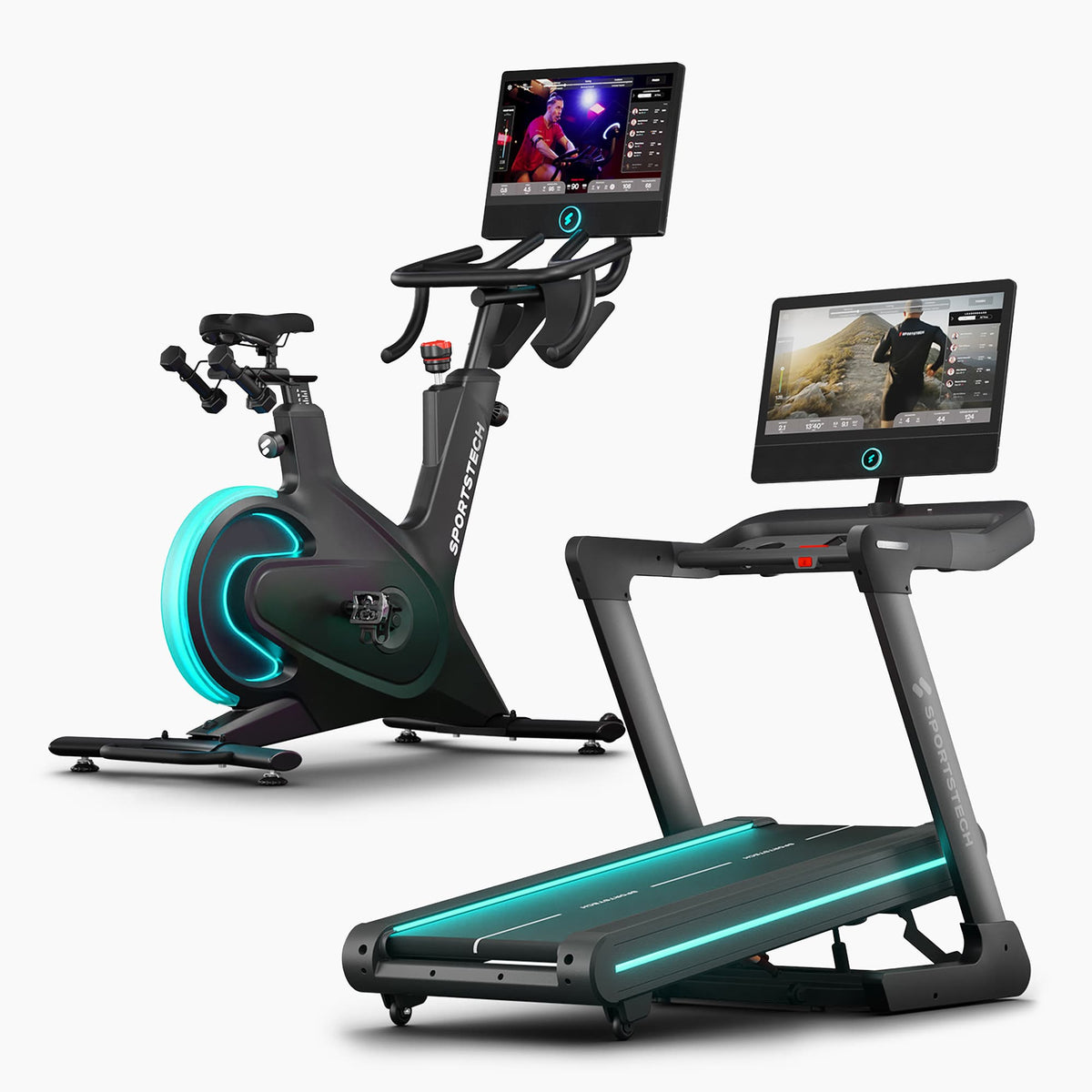
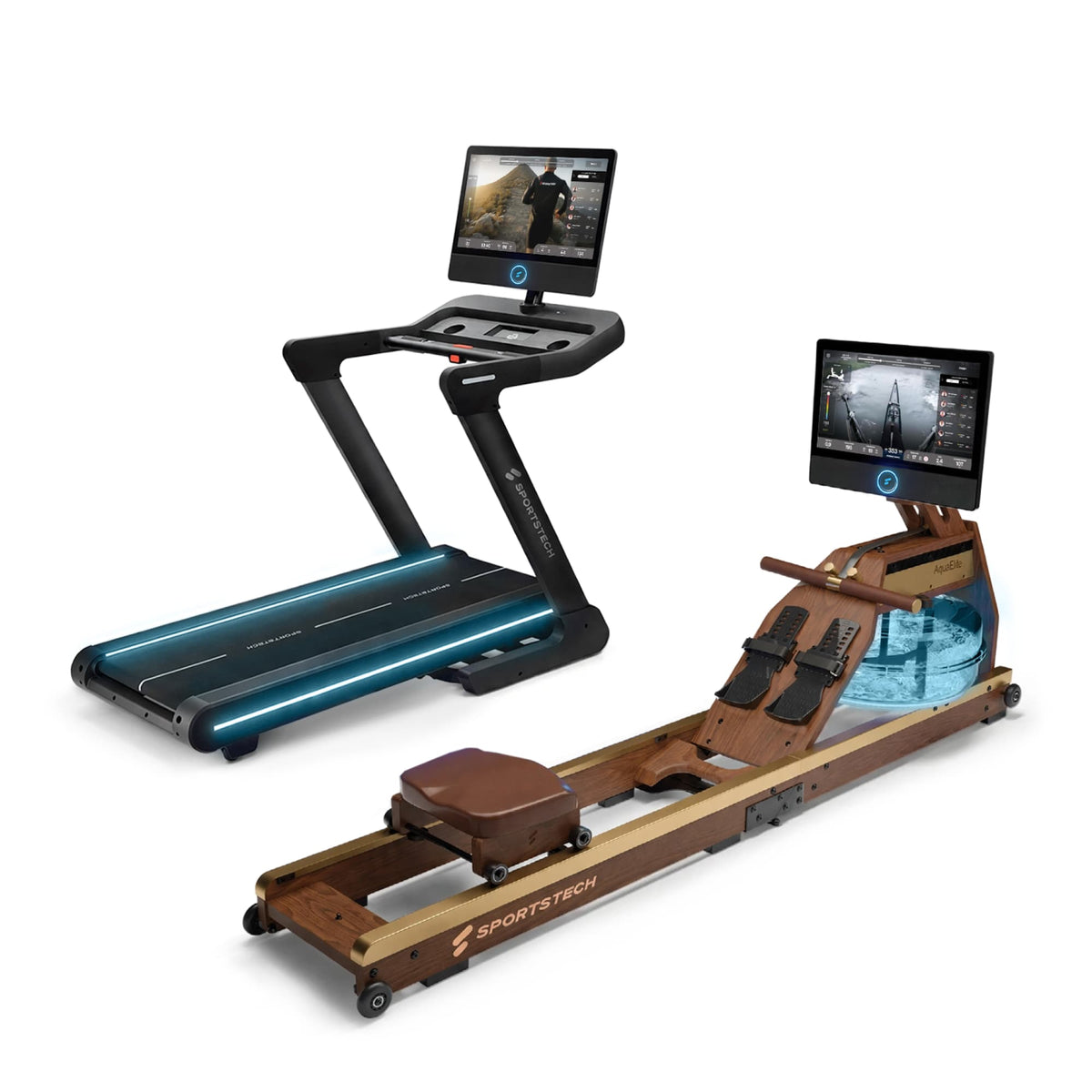
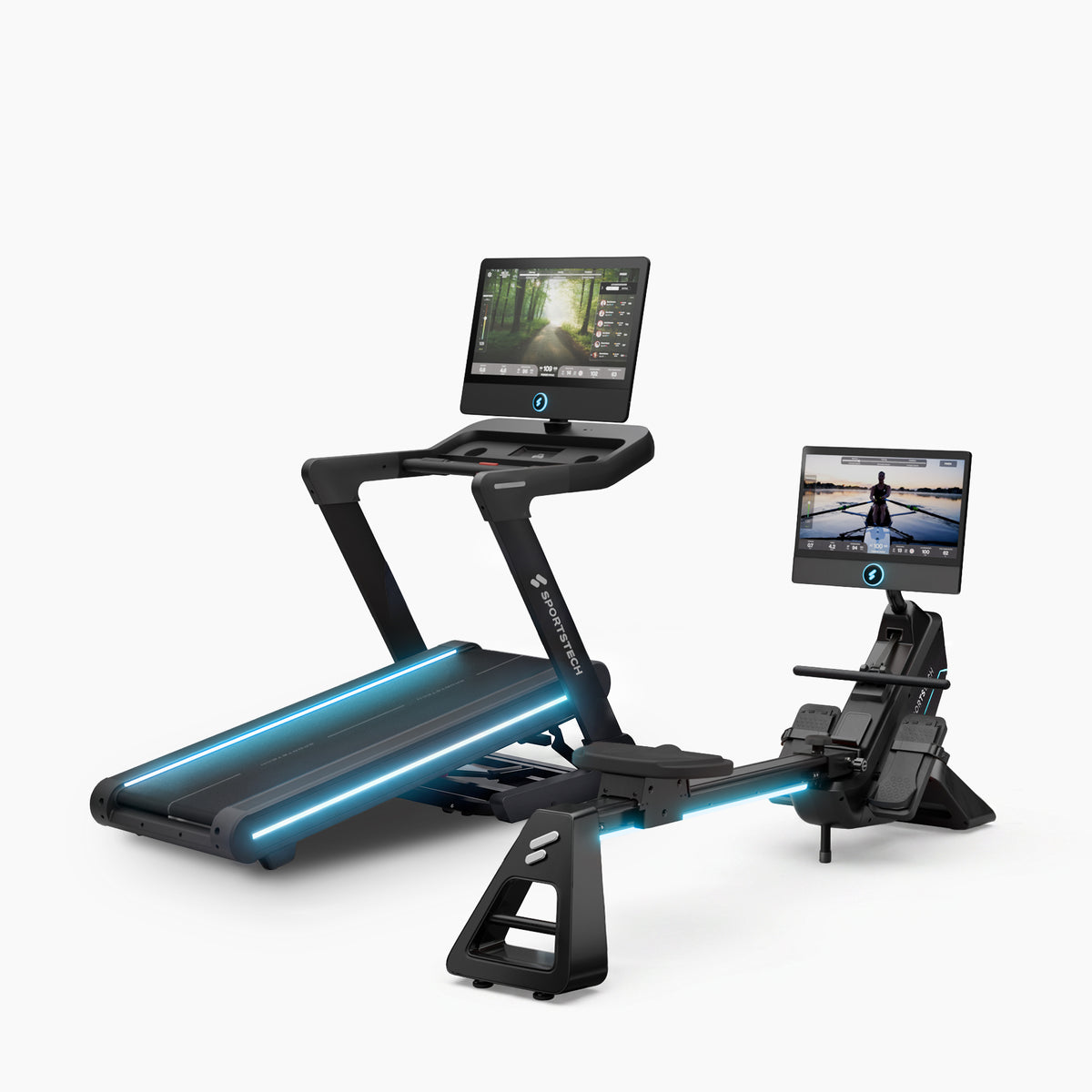
How the Sportstech Live App helps you stick with it
When motivation fluctuates, structure without pressure helps. The Sportstech Live App helps you implement realistic goals at your own pace and make exercise even more visible.
Our app supports you in:
- tracking your activity
- finding short, flexible workouts that fit into every day
- building structure that adapts to your life
Whether ten minutes in between or a planned session: You stay flexible, but in the flow. Progress becomes visible, routines are built step by step, and exercise remains exactly what it is meant to be – doable, motivating, and practical for everyday life.
Conclusion: Realistic goals take you further
2026 does not have to start perfectly. January is there to try out what really suits you. Not every workout feels right immediately – and that is completely normal.
Realistic goals take the pressure off, leave room for development, and help you build routines that last. When exercise fits well into your life, it will not be an intention, but a natural part of your everyday life.
And if you want to know how training, everyday life, and recovery fit together in the long term, you can find further inspiration in our article on a healthy work-life balance.








Teilen:
New Year, New Motivation: Why Habits Are More Important Than Discipline
Train like Sascha Huber: Get the most out of the sGym Pro