


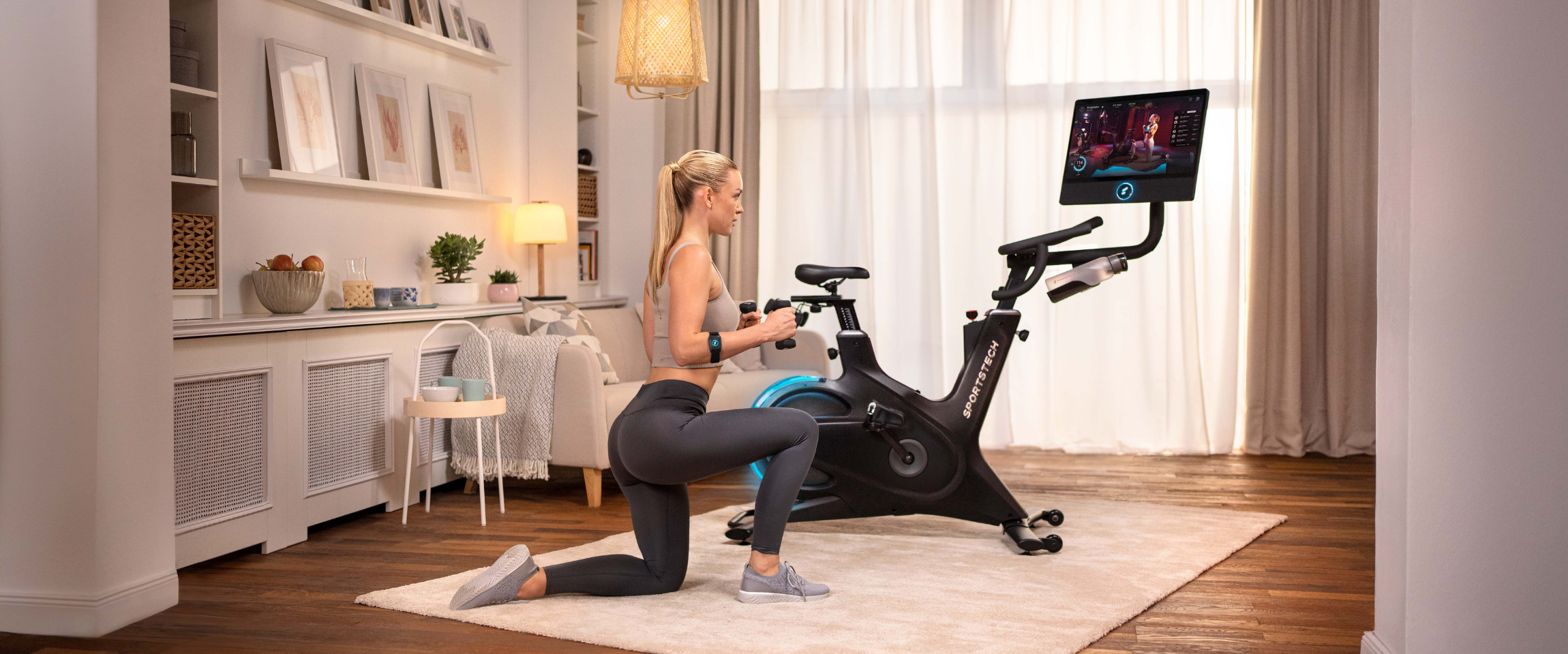
Cycling is one of the most effective endurance sports out there. Whether you ride long tours on your road bike, go for a spin after work, or complete your training on the speed bike, every session strengthens your endurance, cardiovascular system, and muscles.
Precisely because cycling is so much fun, the question quickly arises: Is simply cycling enough?
The short answer: For many recreational athletes, yes. If you want to improve your cycling, become more powerful, and stay injury-free in the long term, however, additional cross-training is worth it. Complementary sessions such as strength training, mobility exercises, or a targeted full-body workout can support your performance, balance out muscular imbalances, and make an important contribution to injury prevention in cycling.
In this article, you will learn what cross-training is, why it effectively complements your road bike training, and which exercises are particularly effective for cyclists.
What is Cross-Training?
Cross-training refers to complementary training methods that effectively support your main sport. Instead of exclusively cycling, you combine your training with other forms of exercise such as strength training, mobility exercises, or alternative endurance training. The goal is to strengthen muscle groups that are less engaged when cycling, balance out muscular imbalances, and make your body more resilient overall. For cyclists, cross-training does not necessarily mean spending less time on the bike, but rather specifically complementing your cycling training to improve performance, stability, and recovery in the long term.
Why Cross-Training is Beneficial for Cyclists
When cycling, the legs and glute muscles are primarily engaged, while many movements remain virtually identical for hours.
Cross-training for cyclists specifically complements this one-sided load and can support strength, stability, and injury prevention in cycling.A systematic meta-analysis (PMC, 2025) shows: Strength training measurably improves cycling performance by increasing cycling efficiency and higher anaerobic power. This means: you will become faster without putting more strain on your cardiovascular system. And the best part? Cross-training not only makes you faster, it makes you more resilient, more balanced, and better able to recover.
What you can specifically gain:
More power on the pedals: a strong core and powerful glutes transfer more power for the same energy expenditure
Longer comfort in the saddle: a trained back and shoulder area makes long-distance rides enjoyable
Faster recovery: varied training relieves the muscles that are constantly active when cycling
Fewer days off: more stable joints and balanced muscles mean less overuse
A new boost in training motivation: different movements, different stimuli, more fun in sports
The Best Strength Exercises for Cyclists
Strength training for cyclists does not mean maximal muscle building. It is about functional strength, movements that make your body more efficient and stable on the bike.
Researchers at the Norwegian University of Science and Technology (NTNU) investigated in an intervention study published in the European Journal of Applied Physiology how complementary strength training affects well-trained cyclists. One group complemented their regular cycling training twice a week with strength training, while the other trained exclusively on the bike. The result: The strength training group increased their average performance in a 40-minute time trial test after 12 weeks by around 8 %, their maximum strength by 26 % and their sprint performance by 16 %, without gaining body weight.
The good thing: You do not need a complicated training plan. Just a few carefully selected basic exercises can improve strength, stability, and mobility, and effectively complement your cycling training.
Squats The basic exercise. Strengthens the quadriceps, hamstrings, and glutes simultaneously and gives you the explosiveness you need on steep climbs.
Lunges Promote the single-leg strength pattern, exactly what happens when pedaling. Bulgarian split squats as a more challenging variant take the training to the next level.
Deadlift The game changer for your posterior chain. Strengthens the hamstrings, glutes, and lower back, and gives you the body tension that withstands long rides.
Core exercises Plank, Bird Dog, Hollow Body Hold: a strong core is your foundation for every pedal stroke, every descent, every power phase.
Pulling exercises for the upper body Rowing and pull-ups
strengthen the middle back and keep you upright in the saddle. More
on this in our article Learn pull-ups at home.
Cardio Cross-Training: Endurance in a Different Way
When people hear cross-training, they first think of dumbbells. But also cardio alternatives make you a better cyclist – especially when the weather is not cooperating or your legs need fresh stimuli.
Rowing machine – the all-rounder that cyclists should love: Rowing activates up to 80–90 % of all muscle groups, hardly puts any strain on the joints, and strengthens exactly the areas that cycling demands little: back, core, upper body. Everything at once, in one movement. There is hardly any more efficient cross-training equipment for cyclists. We also explain why rowing is so powerful in our article Full-body workout with the rowing machine.
Walking on an incline treadmill: Underrated, but
effective: moderate walking at a 5–10 % incline activates the
glutes, strengthens the Achilles tendon, and keeps the cardio base in shape – without
straining the legs. The perfect balance between two hard
sessions.
Mobility & Recovery: Your Secret Upgrade
Recovery for cyclists involves more than a rest day. Regular mobility sessions help keep the muscle groups that are heavily engaged during cycling mobile and balance out muscular imbalances. This supports your quality of movement and injury prevention in cycling.
These four exercises help you stay mobile and powerful:
Hip mobility: Couch Stretch, Hip 90/90: releases shortenings caused by the sitting position
Glute activation: Bridges, Clamshells, Banded Walks: wakes up the muscles that drive the pedaling
Stretching after training: Thighs, hamstrings, calves, thoracic spine: permanently maintains mobility
Foam Rolling: Thighs, calves: promotes blood circulation and releases muscular tension
The Weekly Plan: How to Combine Everything Smartly
Your cycling training remains the centerpiece, cross-training is the
complement that makes it stronger. Here is an example plan that
balances both:
| Day | Session | Content | Duration |
|---|---|---|---|
| Monday | Strength training | Squats, Deadlift, Core, Pulling exercises | 45–60 Min. |
| Tuesday | Cycling (Endurance) | Zone-2 ride, moderate | 60–90 Min. |
| Wednesday | Cross-Cardio | Rowing machine or Running intervals | 30–45 Min. |
| Thursday | Strength training | Lunges, Core, Pushing exercises | 45 Min. |
| Friday | Active Recovery | Walking on an incline treadmill, Mobility, Foam Rolling | 30 Min. |
| Saturday | Cycling (Main Session) | Long ride or Intervals | 90–180 Min. |
| Sunday | Rest Day | Stretching optional | – |
This plan is a guideline, not a rigid rule. Those who already ride a lot start with one strength session per week and gradually increase.

Your Home Gym Setup for Cyclists
The good news: An effective cross-training setup needs no space like a gym. This equipment is enough to cover everything.
The Indoor Speed Bike keeps your endurance base strong all year round, regardless of the weather. The SX200 with 22 kg flywheel gives you a real road bike feeling. Those who want the full connected experience with AI coaching, touchscreen, and Sportstech Live reach for the sBike.
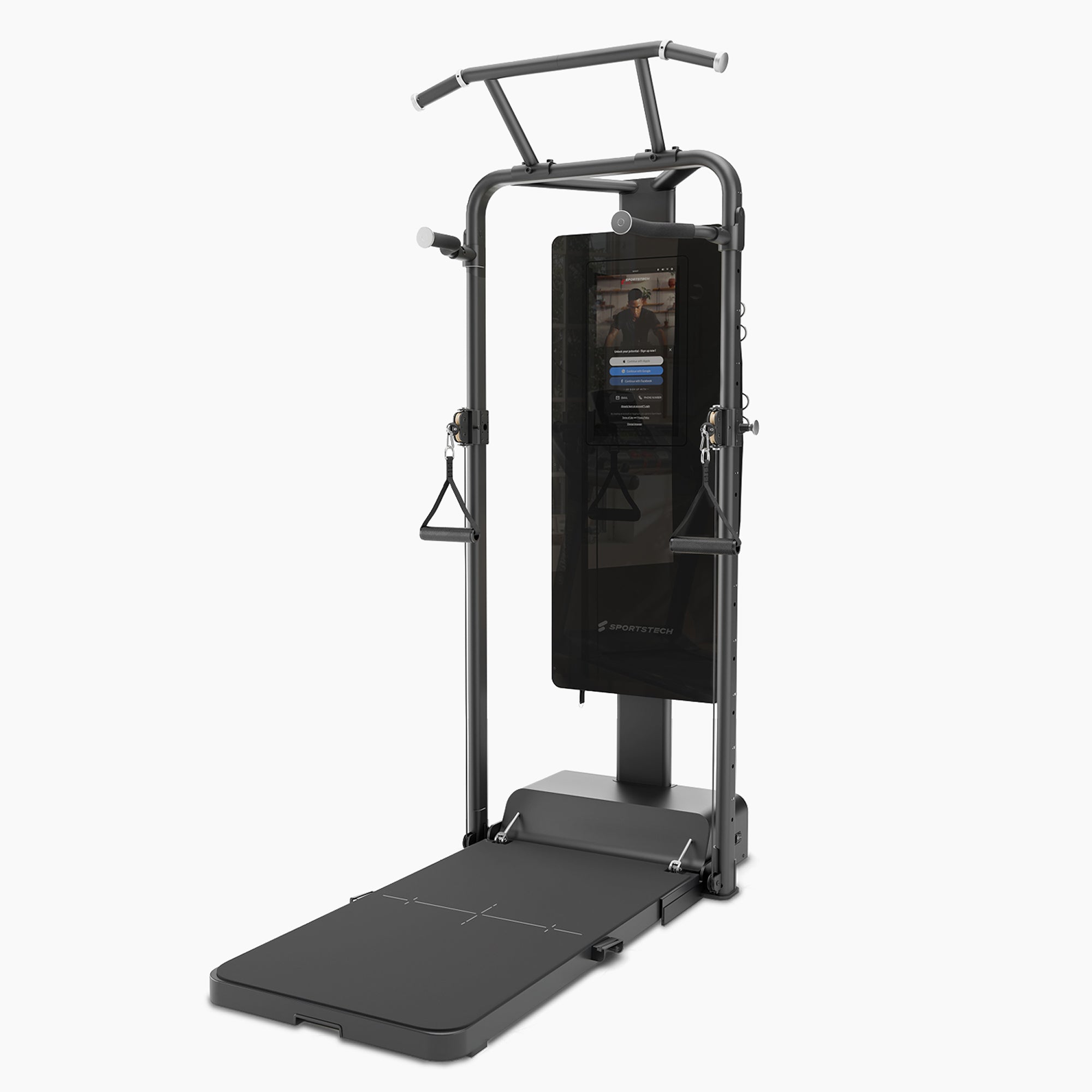
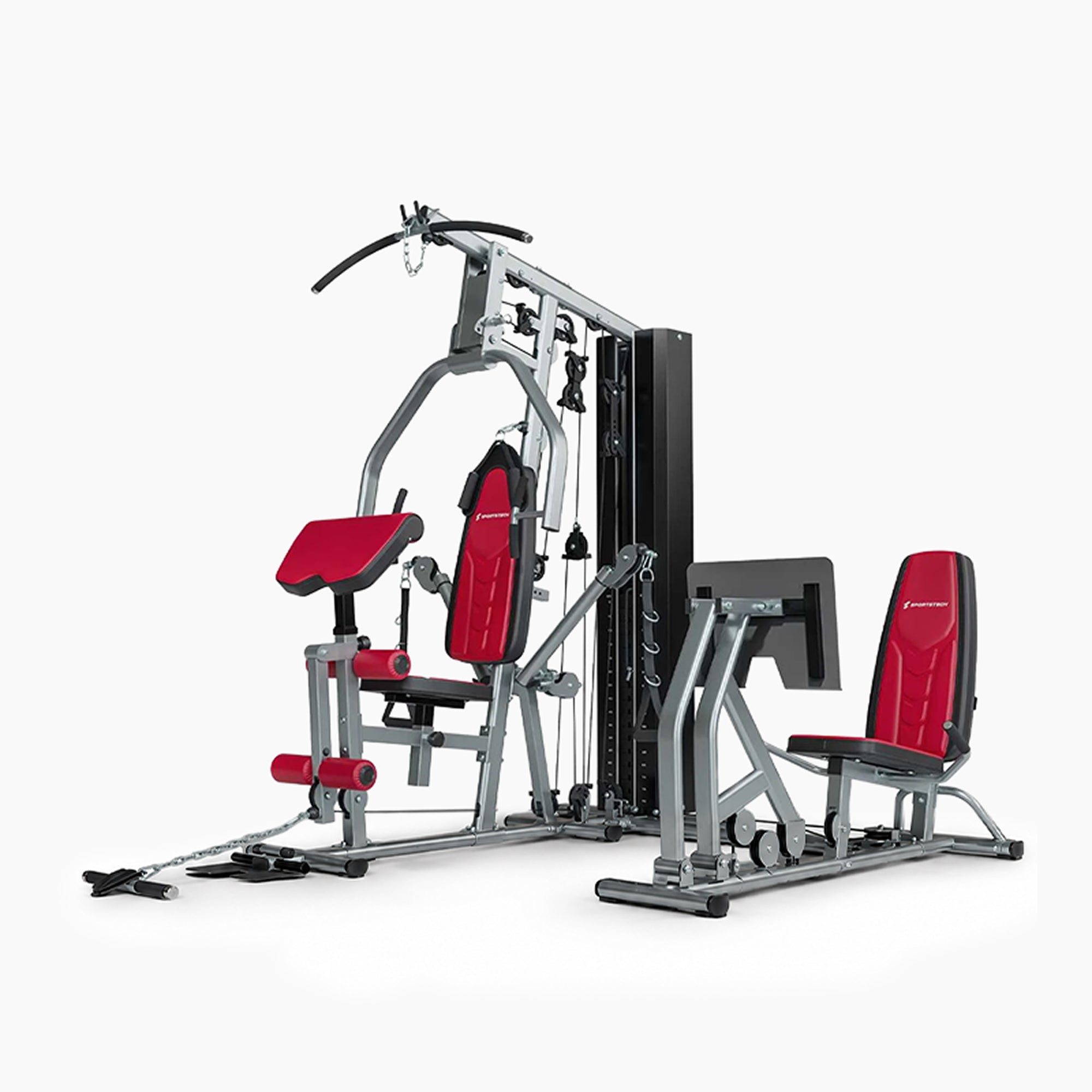
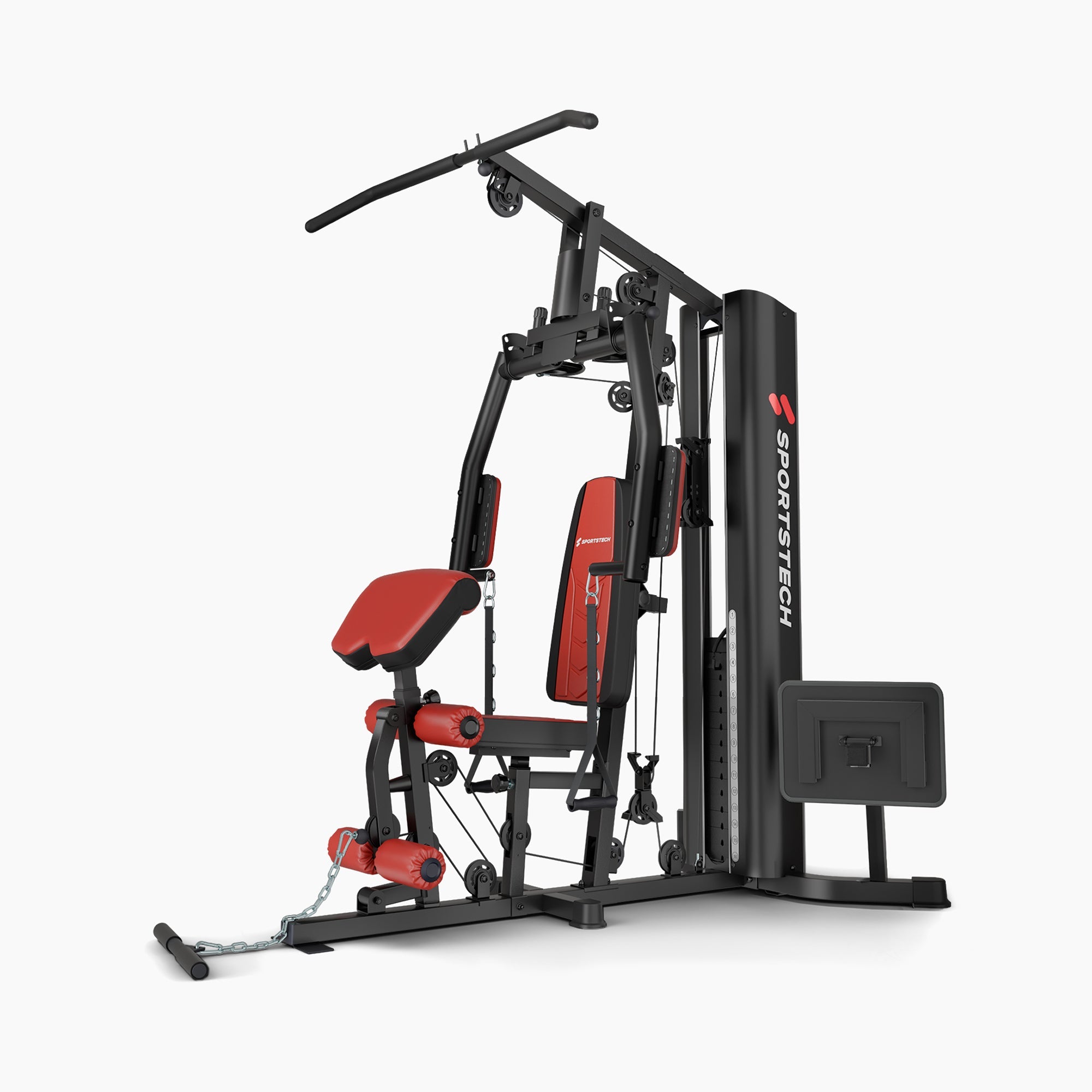
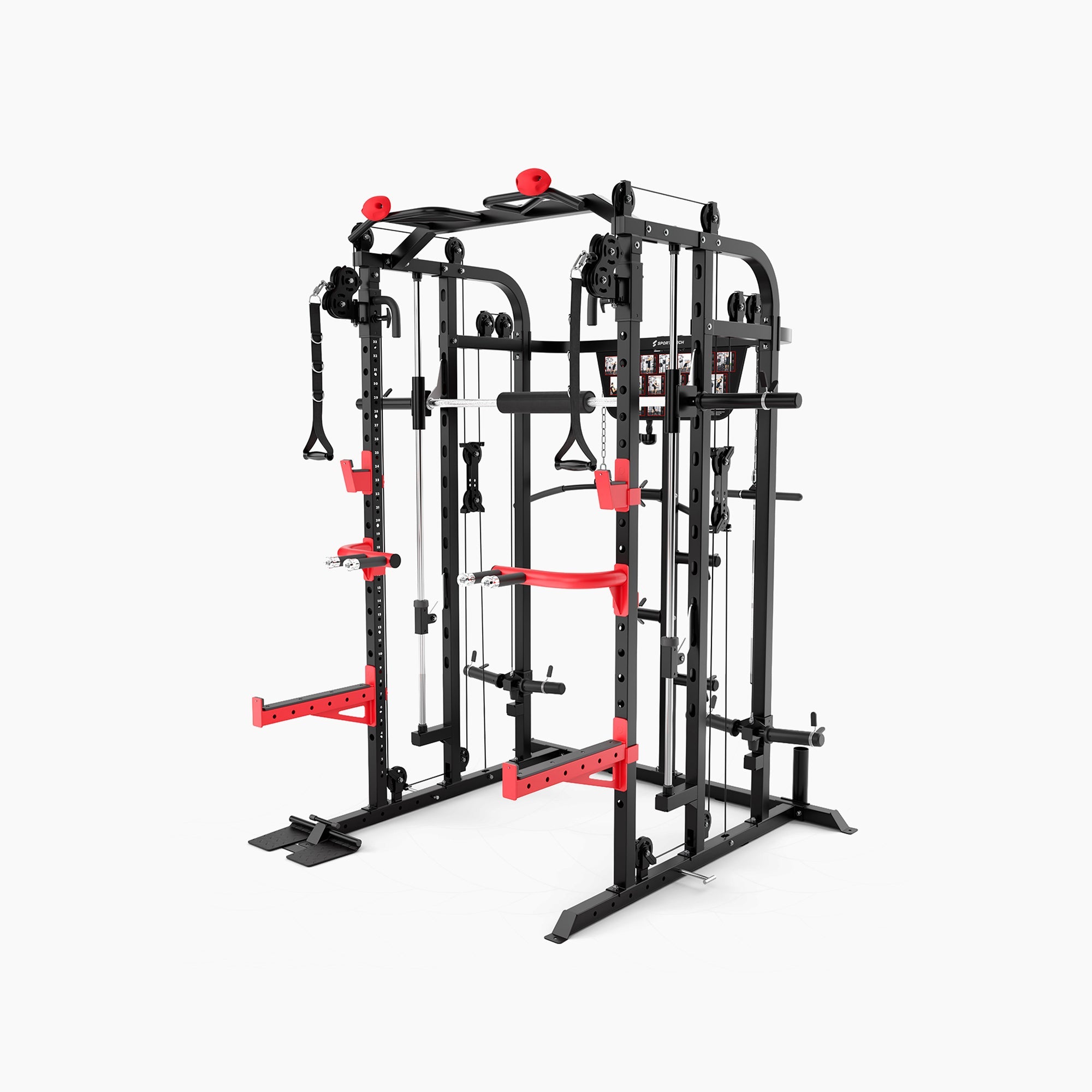
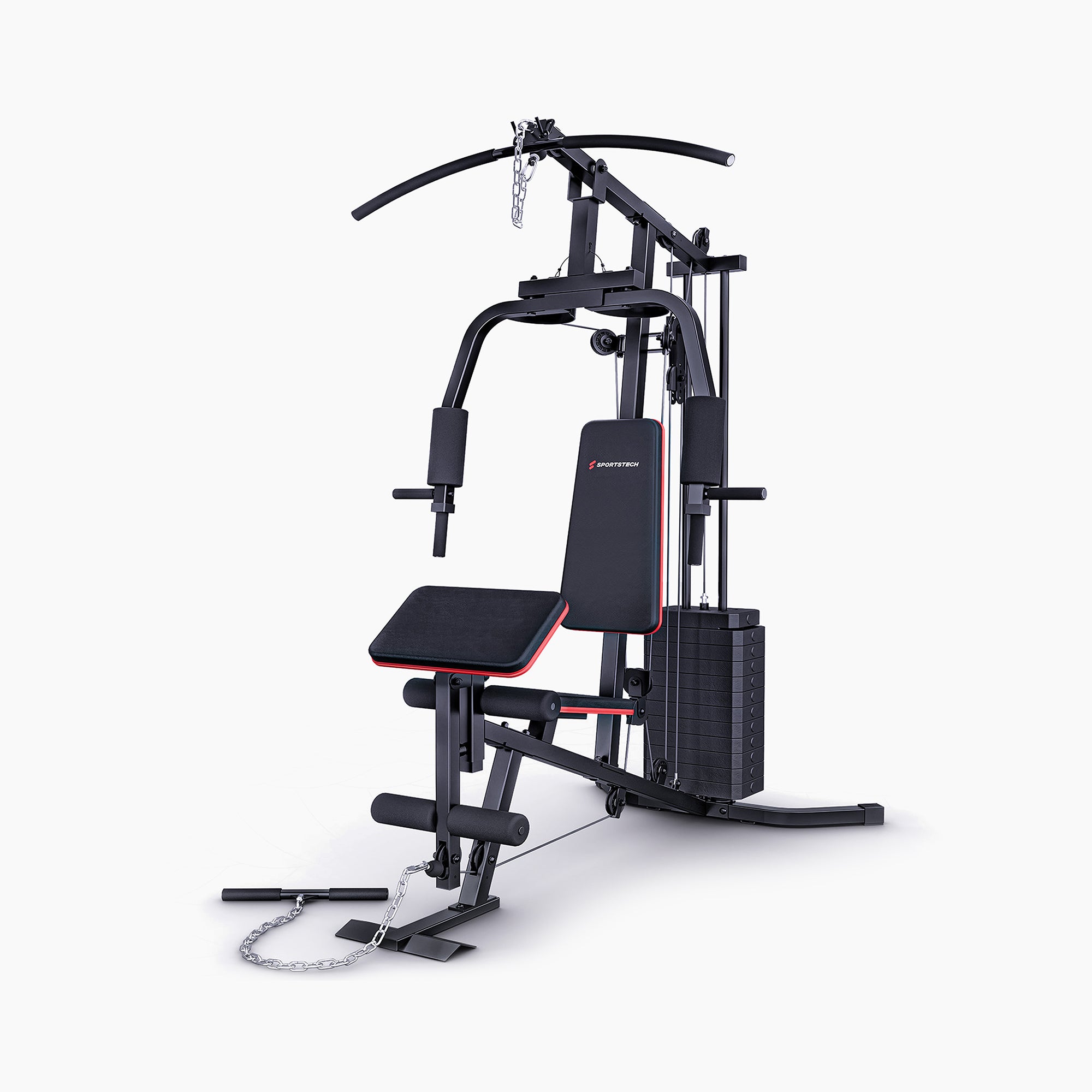
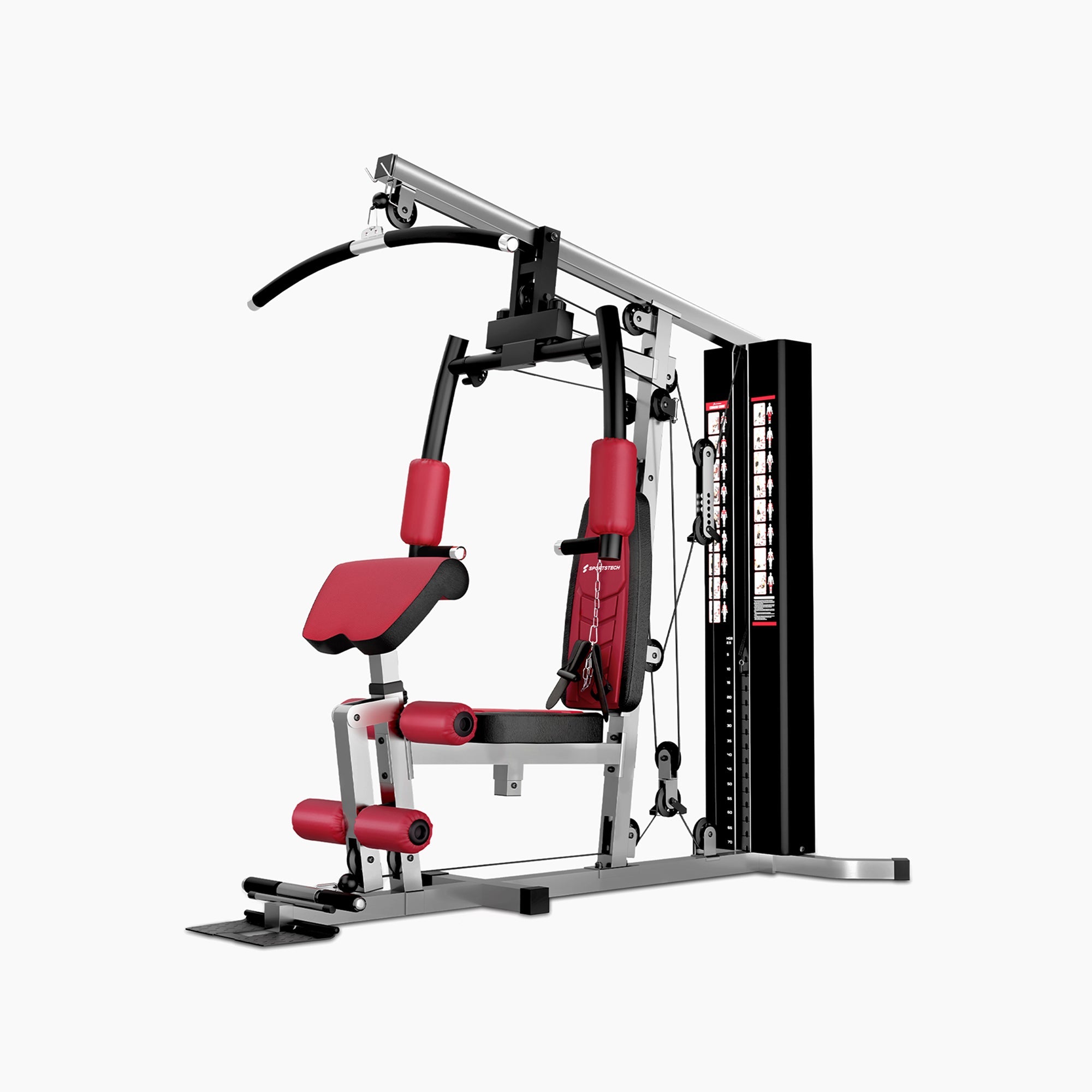
A Rowing Machine takes over the full-body strength-endurance training. The Strength Stations from Sportstech make squats, deadlifts, and pulling exercises possible at home. Add a foam roller and a floor mat, and your complete cyclist home gym is ready.
With the Sportstech Live App you not only have access to indoor cycling courses,
but also to strength, mobility, and stretching workouts. This way, you can
make your training varied and specifically complement the sessions
that effectively support your performance on the bike, all
conveniently from home.
Conclusion: Become More Than a Cyclist
The best riders in the world cycle a lot. But they do even more. Strength. Mobility. Cross-Cardio. This is no longer a secret, it is standard at the highest level.
And the beautiful thing about it: You do not need a professional training plan to benefit from it. Two strength sessions per week, some rowing, 10 minutes of mobility daily, that is enough to feel a real difference on the bike. More strength, more stability, more fun on long rides.
Your next level is waiting! Discover the Sportstech Speed Bikes and Strength Stations for your perfect cross-training setup.









Teilen:
Vibration Plate Training: More Power, Less Effort
Lose thigh fat: The best exercises for at home