


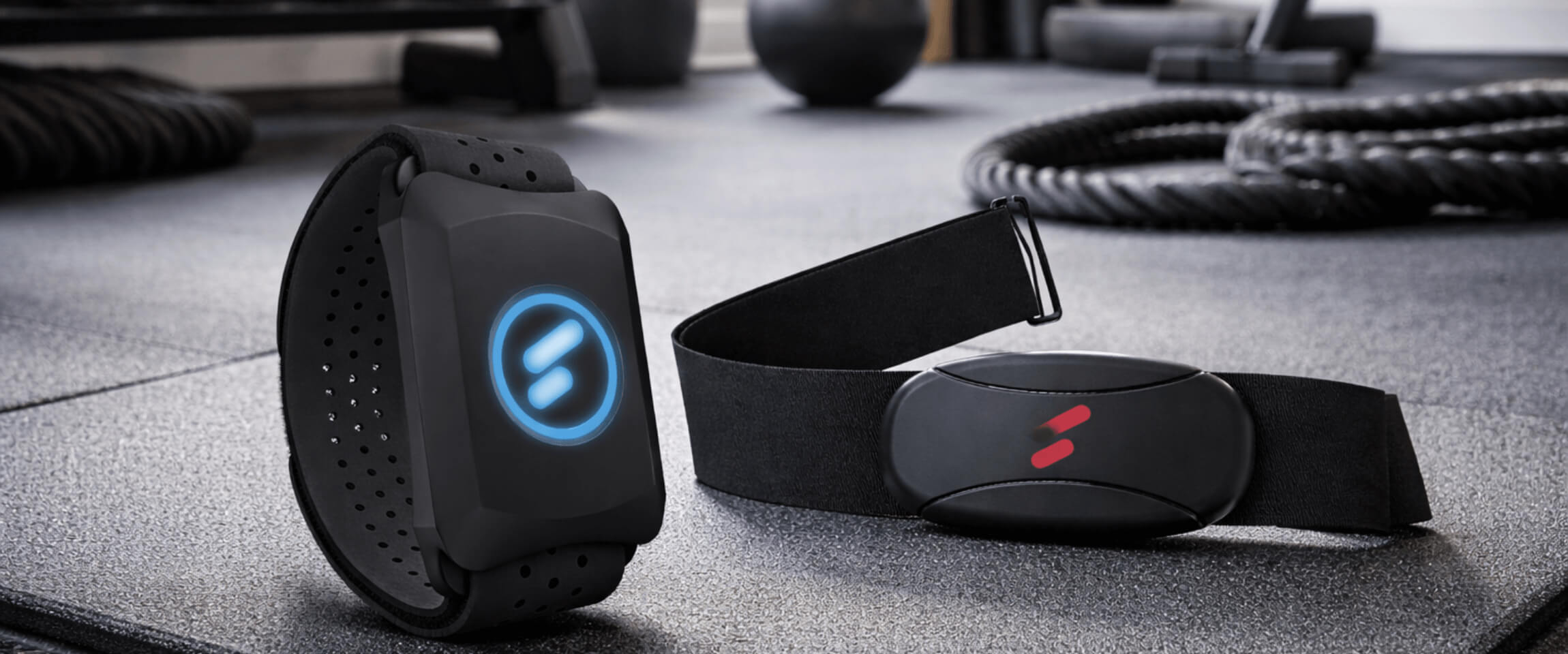
Heart rate zones (pulse ranges) allow you to tailor every cardio session to your goals: weight loss, endurance, or performance improvement. By combining precise tracking with tools such as the Sportstech sPulse heart rate sensor or the Sportstech heart rate strap and a good exercise bike costing under €1,000, you can optimize your training as early as 2026. Result: measurable, faster, and sustainable progress.
Why is heart rate-based cardio training so important in 2026?
In 2026, home cardio training is no longer based on guesswork, but on data. Heart rate zones help you control training intensity precisely.
The 5 heart rate zones
- Zone 1 (50–60%): Active recovery
- Zone 2 (60–70%): Fat burning
- Zone 3 (70–80%): Cardiovascular endurance
- Zone 4 (80–90%): Performance and threshold zone
- Zone 5 (90–100%): Maximum exertion
Using these zones helps avoid the following:
- Overtraining
- Ineffective training sessions
- Performance plateaus
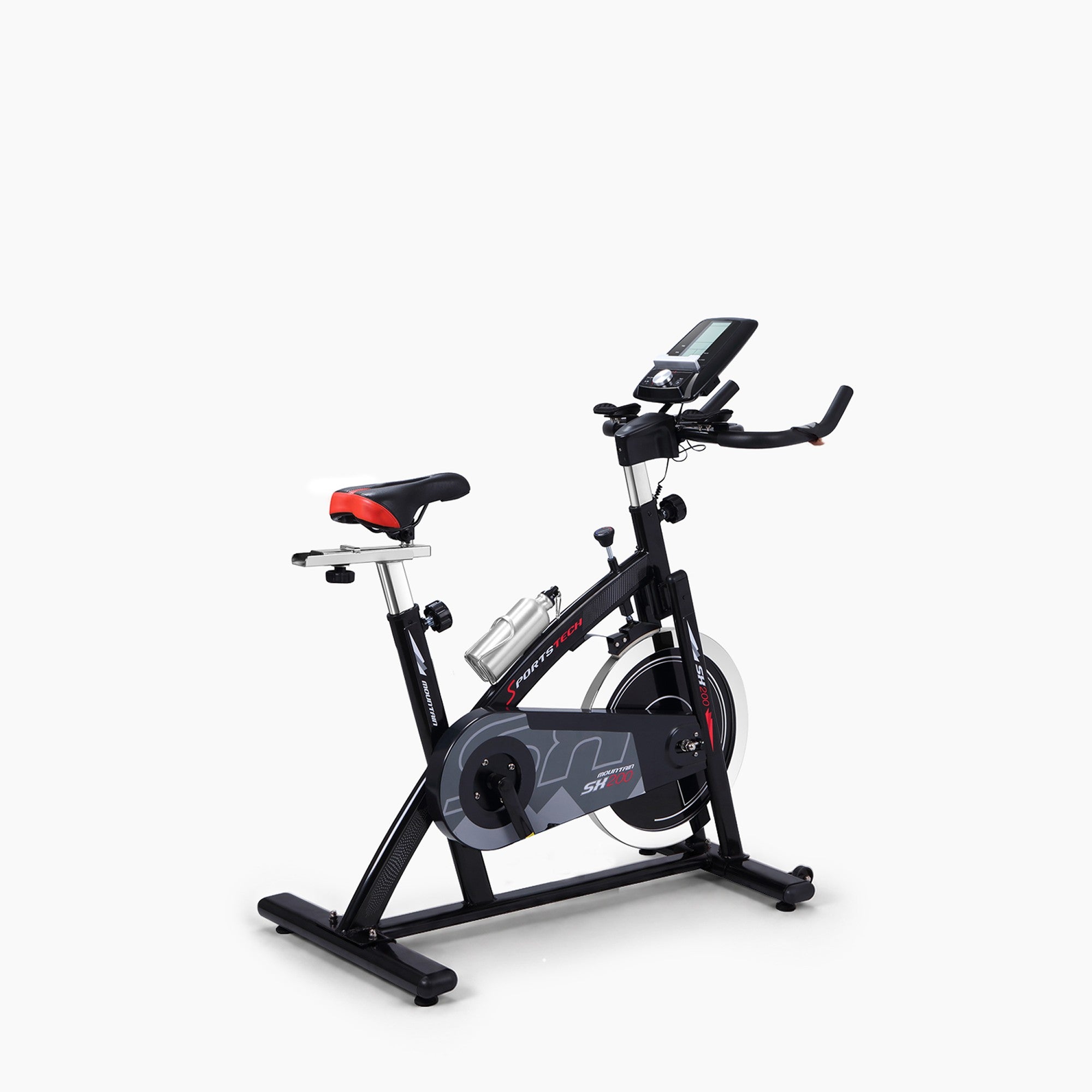
Why invest in an exercise bike in 2026?
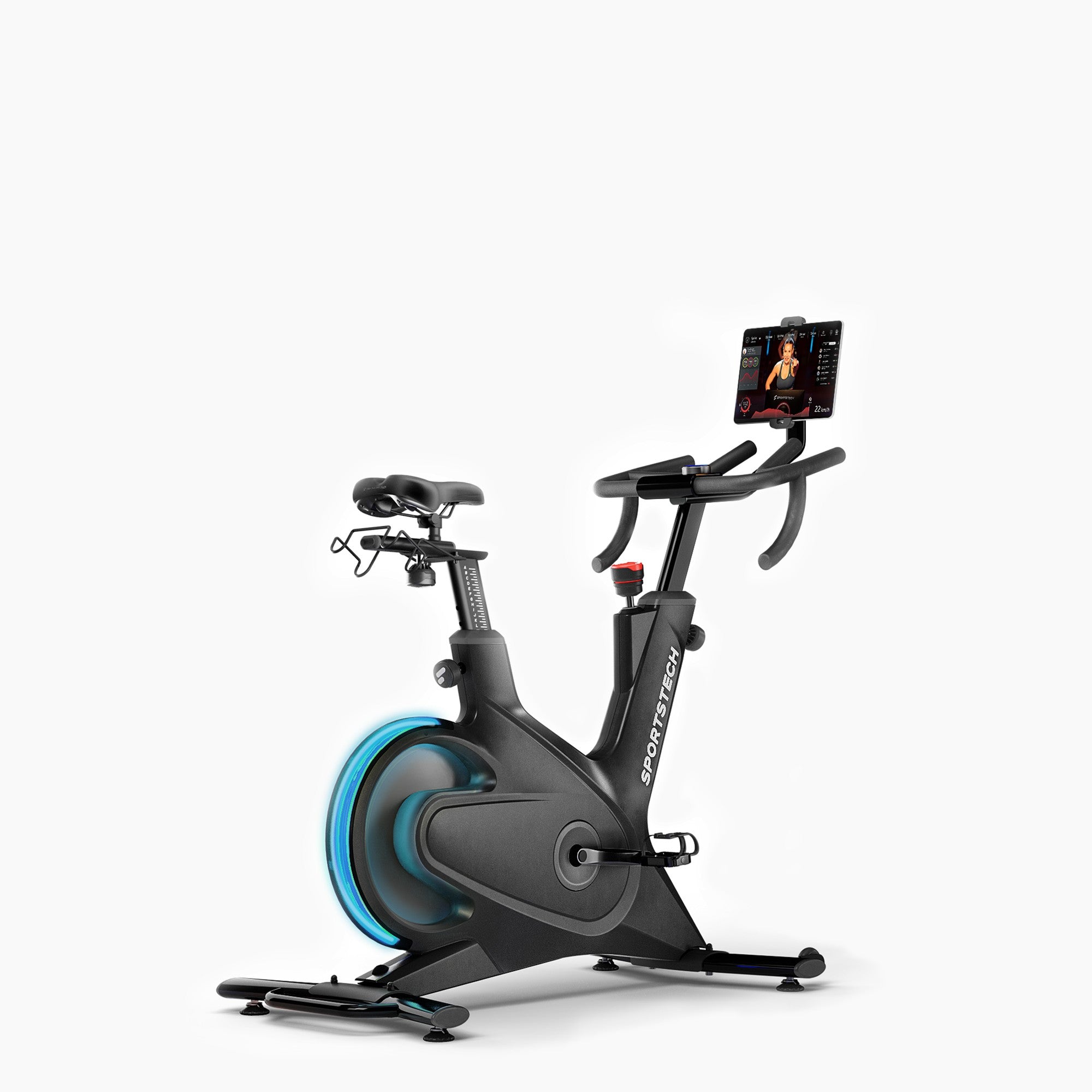
The exercise bike is one of the most effective pieces of equipment for specifically utilizing heart rate zones.
Key benefits
- Flexible cardio training at home
- Suitable for all fitness levels
- Ideal for losing weight at home
- Compatible with heart rate sensors
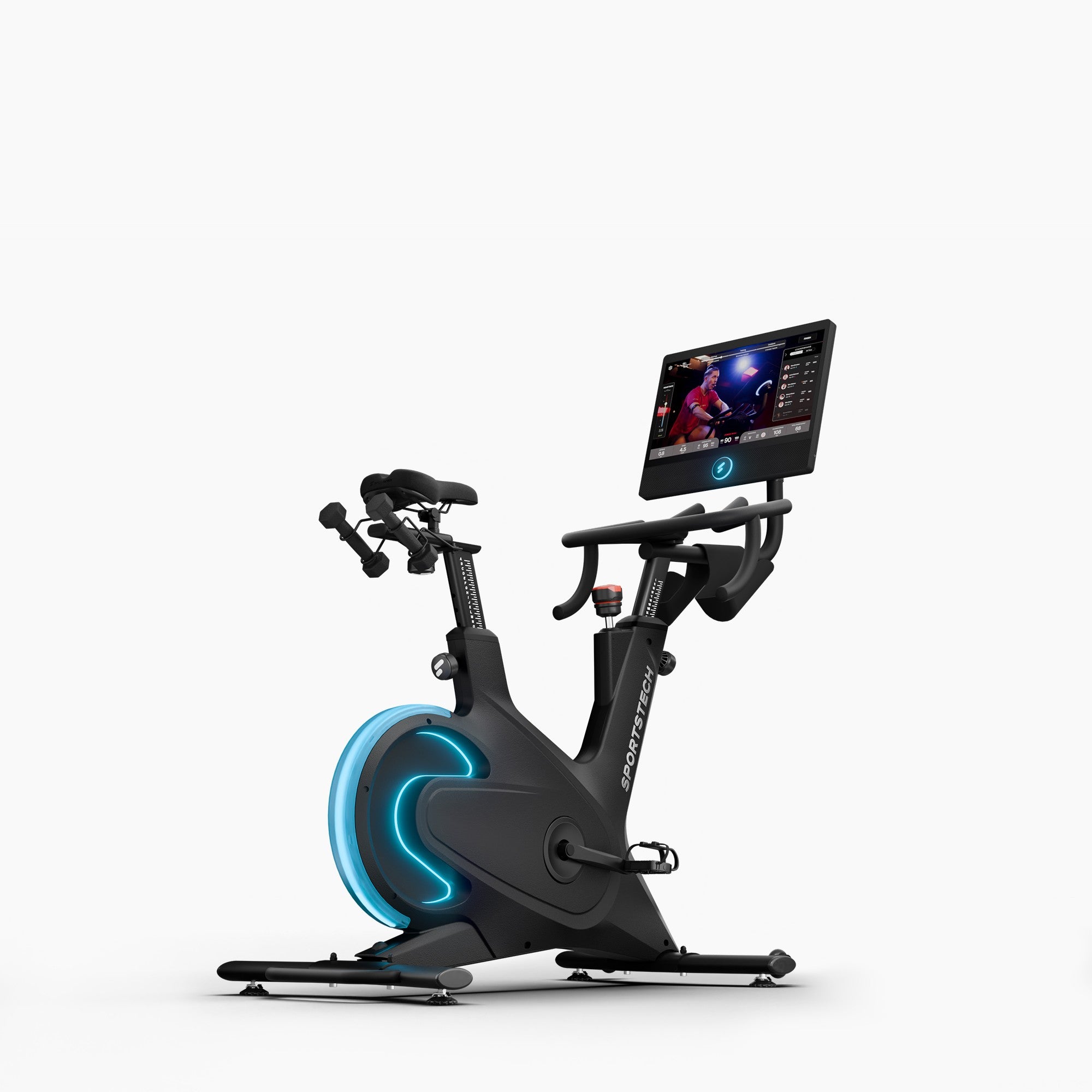
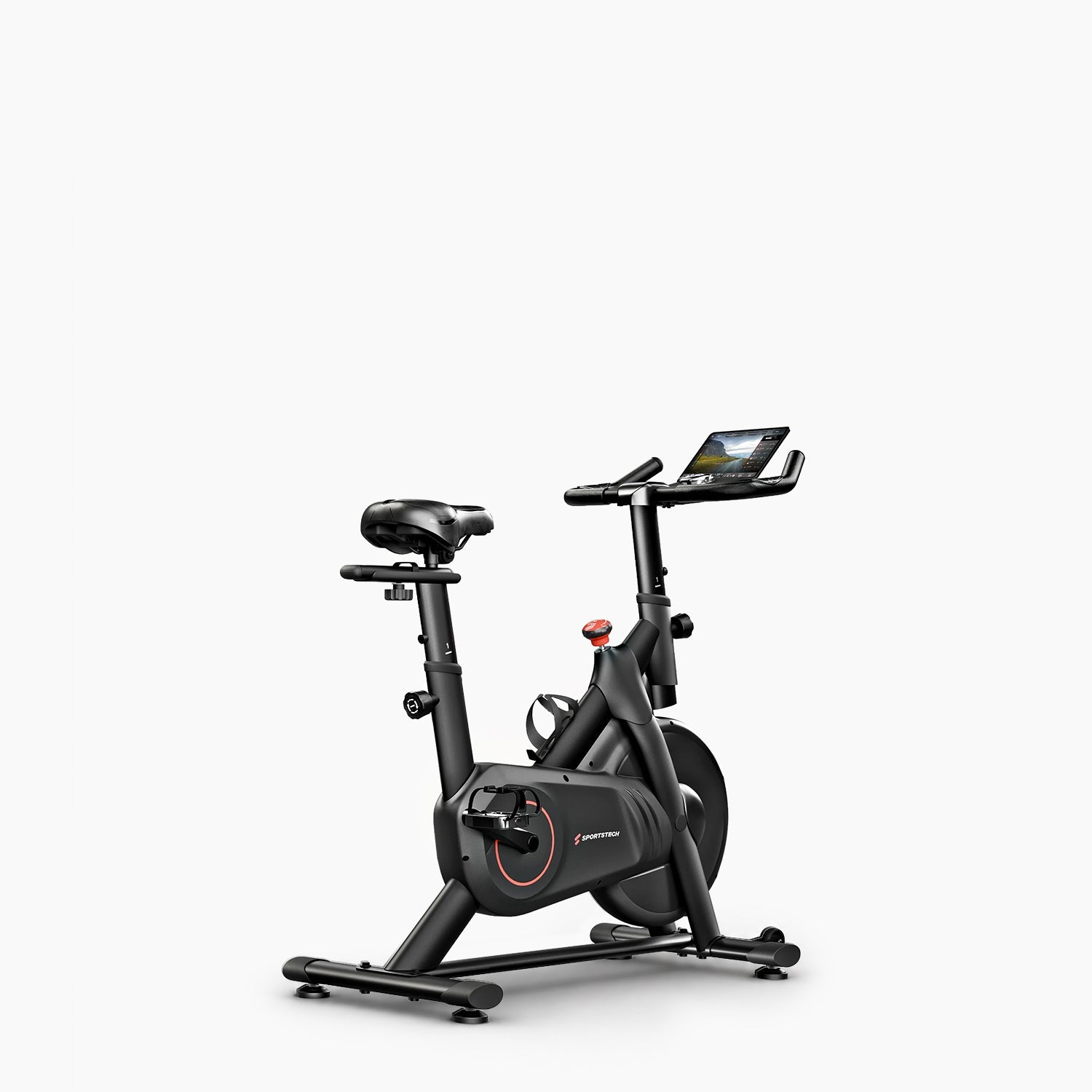
Modern version: connected exercise bike
What has changed in 2026:
- Integration with fitness apps
- Real-time heart rate monitoring
- Immersive training experiences
A quiet exercise bike is particularly recommended for daily use.
The best equipment for optimizing your heart rate zones
1. Sportstech sPulse heart rate sensor – Train more efficiently
Ideal for:
- Beginners and regular users
- Simple, precise training
Benefits:
- Precise optical sensor
- High wearing comfort (wristband)
- Easy connection to apps
- Perfect for daily cardio
2. Sportstech heart rate strap
Ideal for:
- Advanced users
- Highly precise training
Benefits:
- Very accurate ECG measurement
- Instant responsiveness
- Ideal for HIIT and zones 4–5
Comparison table of heart rate sensors
| Features | sPulse heart rate sensor | Heart rate strap |
|---|---|---|
| Type | Wristband | Chest strap |
| Precision | High | Very high (ECG) |
| Comfort | Very comfortable | Adjustment required |
| Use | Everyday | Intense / Professional |
| Connectivity | App + Bluetooth | App + Bluetooth |
| Price | €€ | €€€ |
How to choose the best exercise bike?
1. Training goal
- Weight loss → Zone 2
- Endurance → Zone 3
- Performance → Zones 4–5
2. Resistance and performance
- Magnetic resistance recommended
- Stepless adjustment
3. Connectivity
Compatible with:
4. Comfort and ergonomics
- Adjustable seat
- Natural riding position
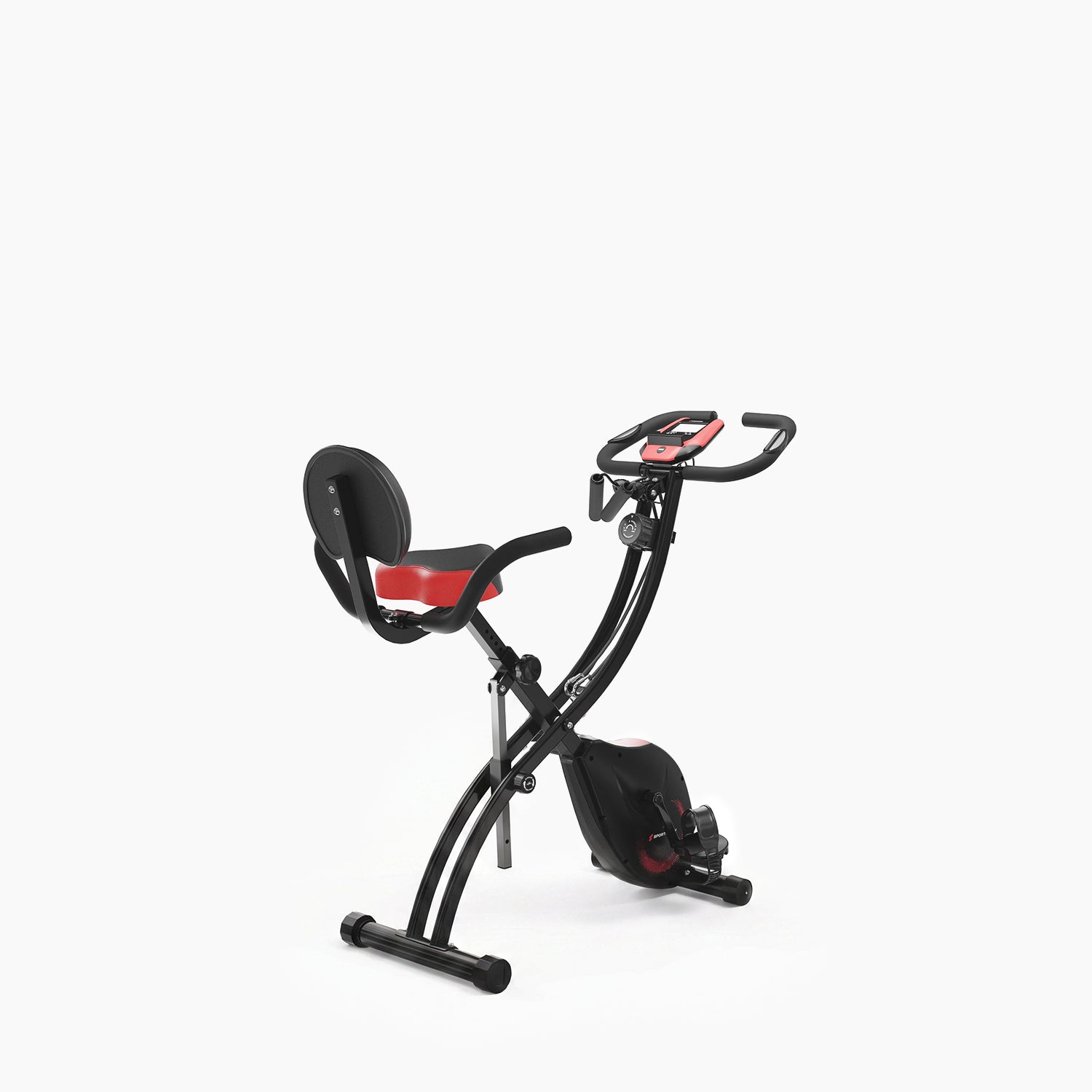
- Foldable exercise bike for small spaces
5. Noise level
A quiet exercise bike is ideal for regular use.
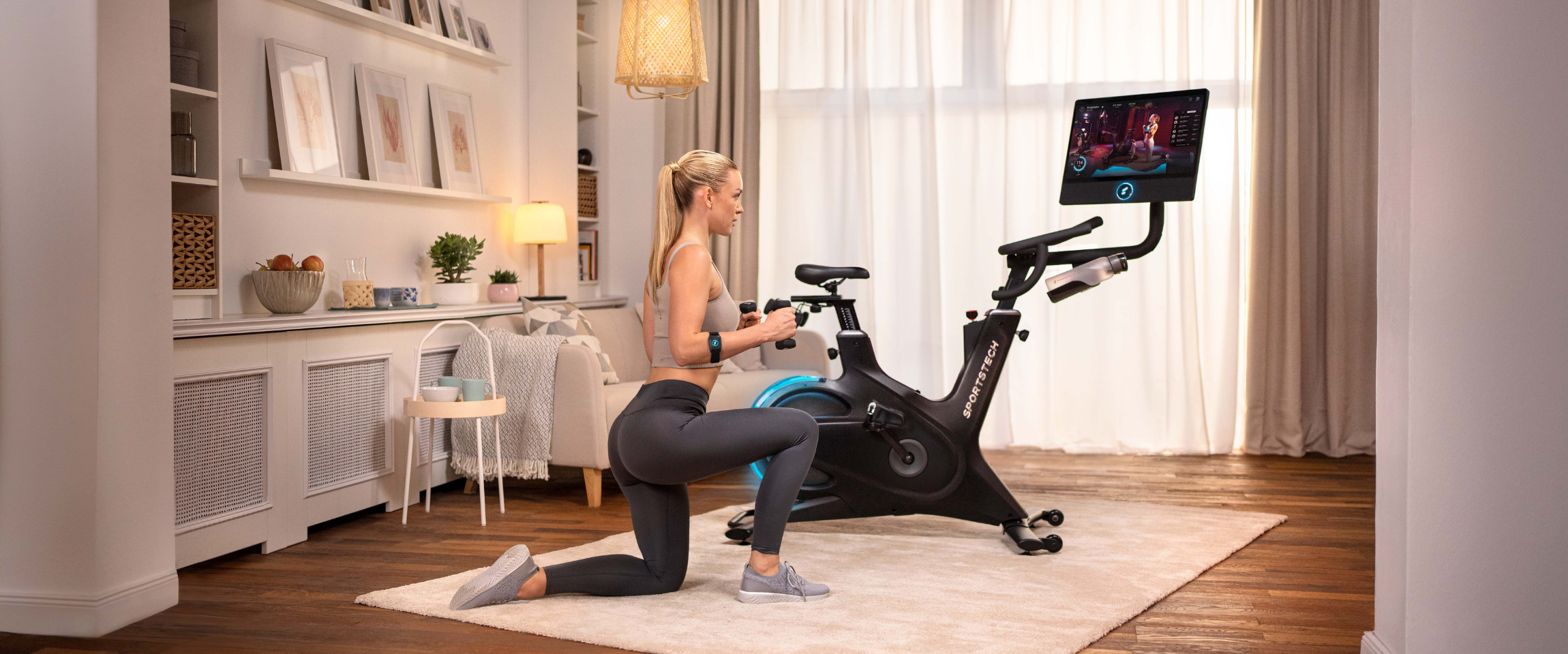
Connected training: achieve maximum results
Heart rate sensors such as sPulse or the heart rate strap reach their full potential when used with apps.
Benefits of connected training
- Real-time monitoring of heart rate zones
- Detailed statistics
- Personalized training programs
- Increased motivation
These apps allow you to:
- Track your progress
- Adjust training sessions
- Optimize the use of every cardio zone
Example of a workout based on heart rate zones
Goal: Weight loss
- 5 minutes → Warm-up (Zone 1)
- 20 minutes → Zone 2 (Fat burning)
- 10 minutes → Zone 3
- 5 minutes → Recovery
Frequency: 3 to 5 times per week
Conclusion: The future of cardio training is smart
In 2026, effective cardio training is based on precision, data, and personalization. Those who use heart rate zones strategically turn every session into an efficient, performance-oriented workout.












Teilen:
Best Rowing Machine for Home 2026: The Complete Guide to Effective Home Workouts
Indoor Cycling at Home: Benefits for Fitness and Health